What's Growing on Florida?
Chaya / Spinach Tree cuttings (Cnidoscolus aconitifolius)
Chaya / Spinach Tree cuttings (Cnidoscolus aconitifolius)
Couldn't load pickup availability
Chaya — The Most Nutritious Leafy Green You've Never Heard Of
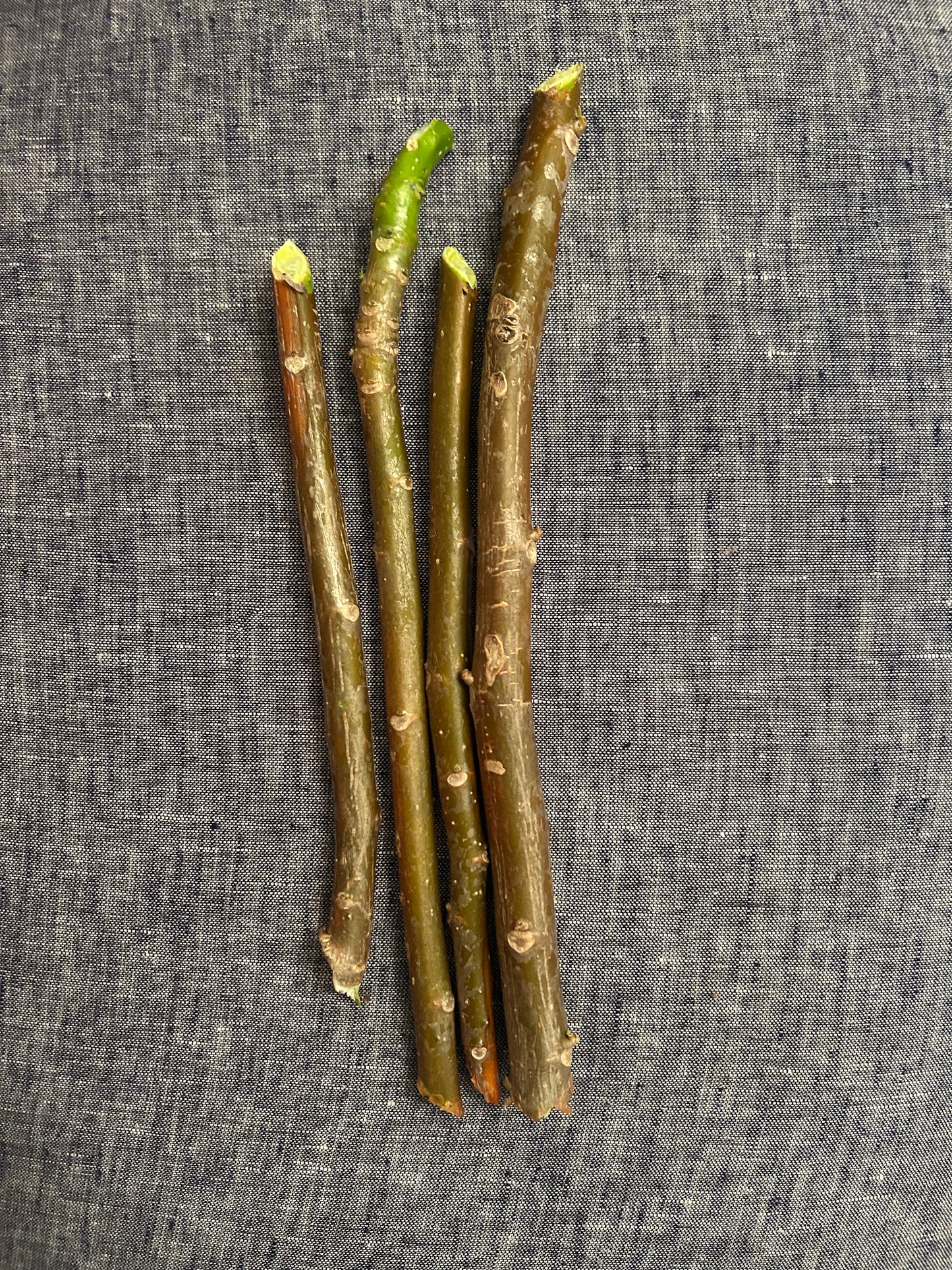
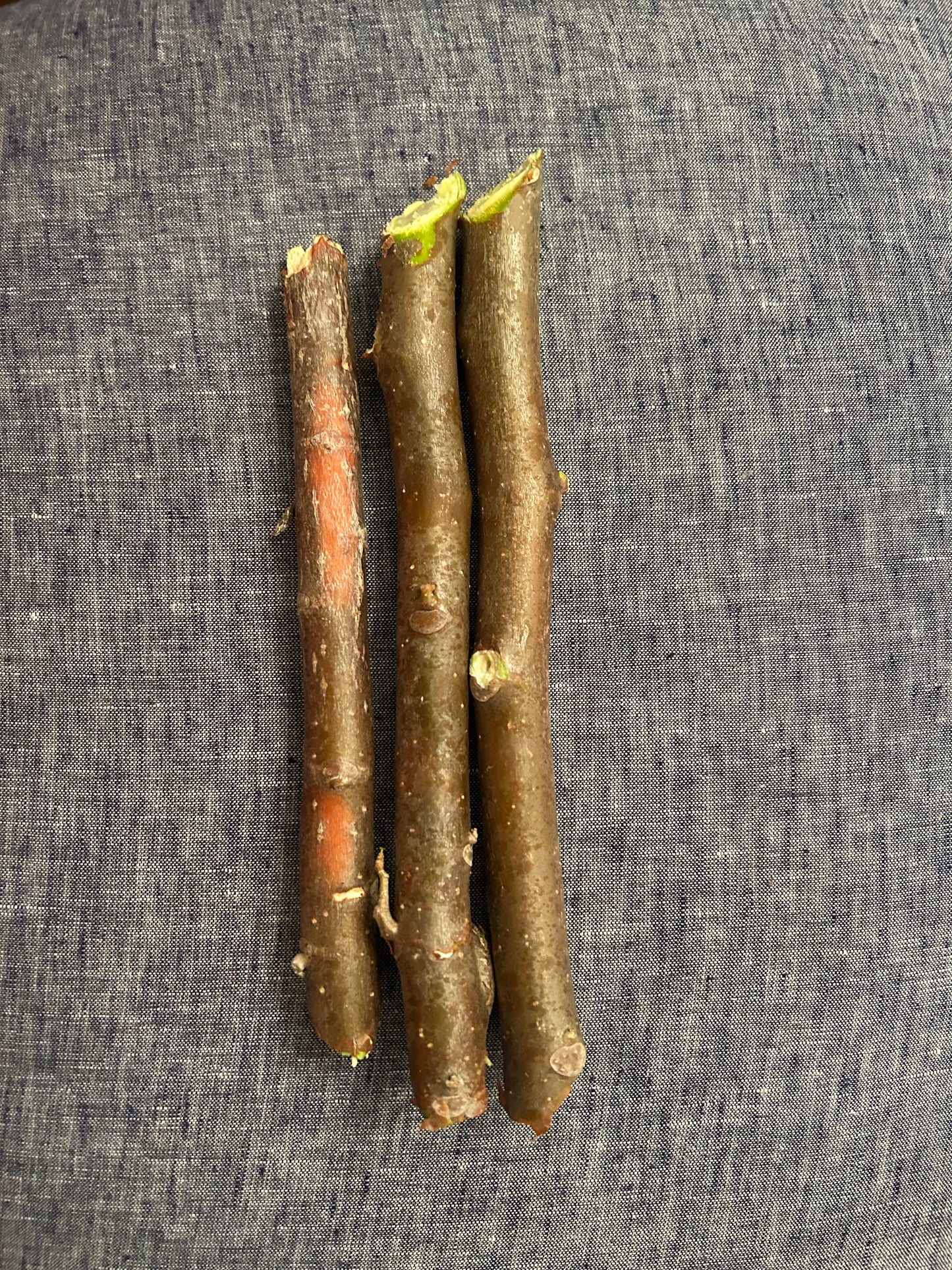
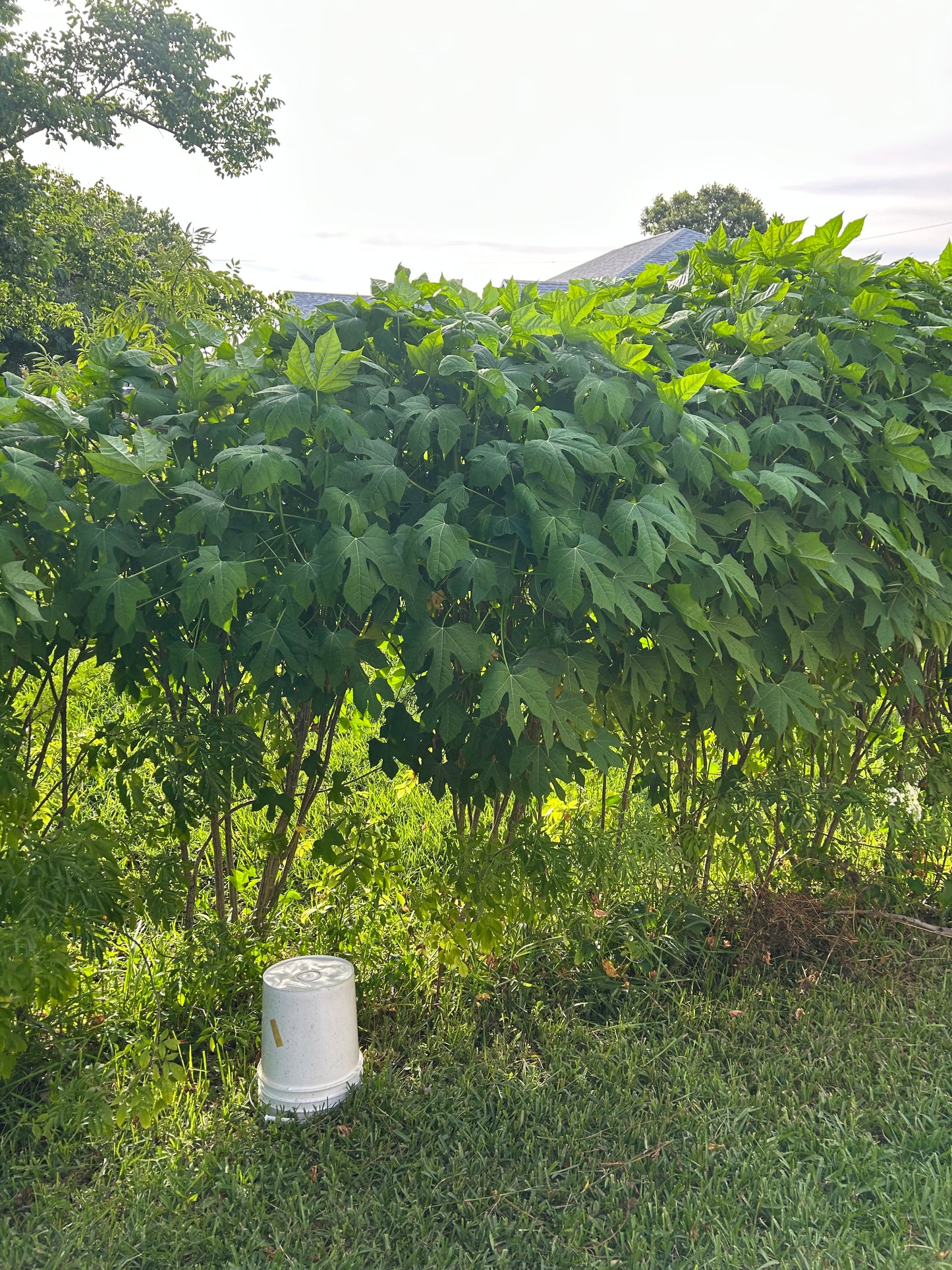
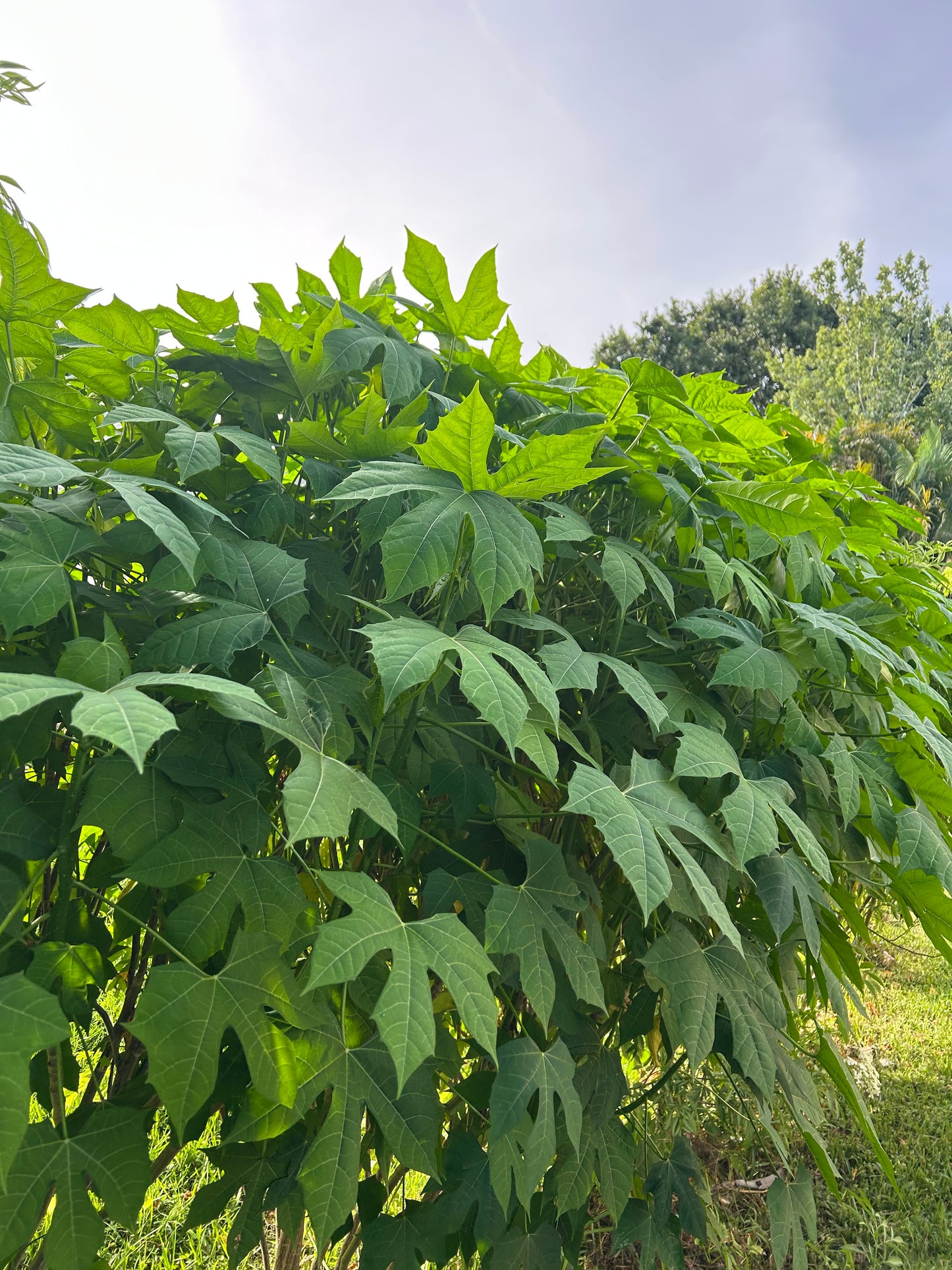
Three cuttings of Chaya (Cnidoscolus aconitifolius), also known as Tree Spinach or Mexican Tree Spinach, organically grown right here in Florida and ready to root. If you could only grow one leafy green in a Florida garden, Chaya might be the most compelling argument. This fast-growing, drought-resistant, heat-loving tree produces an almost inexhaustible supply of nutritious leaves year-round — and its nutritional profile puts conventional spinach and kale to shame. Once established, it's one of the most productive and low-maintenance food plants you can grow in the tropics.
Why Chaya Is Called a Superfood Tree
Chaya has been a dietary staple of the Maya civilization for thousands of years — and modern nutritional analysis reveals why:
- Exceptional protein content: Chaya leaves contain approximately 5–7g of protein per 100g of cooked leaves — significantly more than spinach or kale. A rare and valuable plant-based protein source.
- Iron powerhouse: Contains up to 3x more iron than spinach, making it an outstanding plant-based source for those managing iron deficiency.
- Calcium-rich: Higher calcium content than most leafy greens — important for bone health, muscle function, and nerve signaling.
- Vitamin C: Rich in vitamin C, supporting immune function, collagen production, and iron absorption.
- Vitamin A: High in beta-carotene, supporting eye health, immune function, and skin health.
- Antioxidant-rich: Contains flavonoids and other antioxidants that protect against oxidative stress and inflammation.
- Year-round harvest: Unlike seasonal vegetables, Chaya produces leaves continuously in Florida's warm climate — a permanent, productive addition to any edible garden.
⚠️ Important: Chaya leaves must be cooked before eating — raw leaves contain hydrocyanic glycosides that are neutralized by cooking. Boil or sauté for at least 5 minutes. Do not cook in aluminum pots. Once cooked, they are completely safe and delicious.
Culinary Uses
Cooked Chaya has a flavor somewhere between kale and spinach — mild, slightly earthy, and deeply satisfying. It can be used anywhere you'd use cooked greens:
- Sautéed: Sauté with garlic, olive oil, and a squeeze of lemon — a simple, nutritious side dish ready in minutes.
- Soups & stews: Add to black bean soup, lentil stew, or any broth-based dish in the last few minutes of cooking.
- Scrambled eggs & omelets: Chop and fold into eggs for a protein-packed, nutrient-dense breakfast.
- Tamales & tortillas: A traditional Mayan use — chaya is incorporated into masa dough for tamales and tortillas across Mexico and Central America.
- Smoothies: Once briefly boiled and cooled, chaya can be blended into green smoothies for a serious nutritional boost.
- Stir-fries: Works beautifully in any stir-fry — holds its texture better than spinach when cooked at high heat.
- Chaya juice (agua de chaya): A popular traditional drink in the Yucatan — boil leaves, blend with pineapple or lime, and strain for a refreshing, nutritious green drink.
How to Root Your Cuttings
- Let the cutting callous: Unlike most plants, Chaya cuttings benefit from being left in a dry, shaded spot for 1–2 days before planting. This allows the cut end to callous over and reduces the risk of rot.
- Plant directly: Insert the cutting 3–4 inches deep into moist, well-draining soil or potting mix. No rooting hormone needed — Chaya roots readily on its own.
- Water lightly: Water in after planting, then water sparingly until roots establish. Chaya is prone to rot if overwatered while rooting.
- Watch for growth: New leaf growth signals successful rooting, typically within 2–4 weeks in Florida's warm climate.
- First harvest: Wait until the plant is well-established (3–6 months) before harvesting heavily. Once established, you can harvest regularly — the more you trim, the bushier and more productive it becomes.
Growing Tips for Florida Gardeners
- Sun: Full sun for best growth and productivity. Tolerates part shade but produces fewer leaves.
- Water: Moderate during establishment, then minimal. One of the most drought-tolerant food plants you can grow in Florida — once established, it can survive extended dry periods with little to no irrigation.
- Soil: Adaptable to most Florida soils, including poor sandy soils. Amend with compost for best results.
- Fertilizer: Light applications of balanced organic fertilizer in spring and summer support lush growth.
- Size: Can reach 6–10 feet tall. Prune regularly to keep at a manageable height and encourage bushy, productive growth. Those prunings become new cuttings!
- Pollinators: The beautiful white flowers attract butterflies and hummingbirds — a stunning addition to any wildlife-friendly garden.
- Pests: Remarkably pest-resistant. The same compounds that make raw leaves mildly toxic deter most insects.
Organically grown in Florida 🌿 | 3 cuttings per order | Ships ready to root
Share