What's Growing on Florida?
Cranberry hibiscus seeds
Cranberry hibiscus seeds
Couldn't load pickup availability
Cranberry Hibiscus — Florida's Most Stunning Edible Ornamental
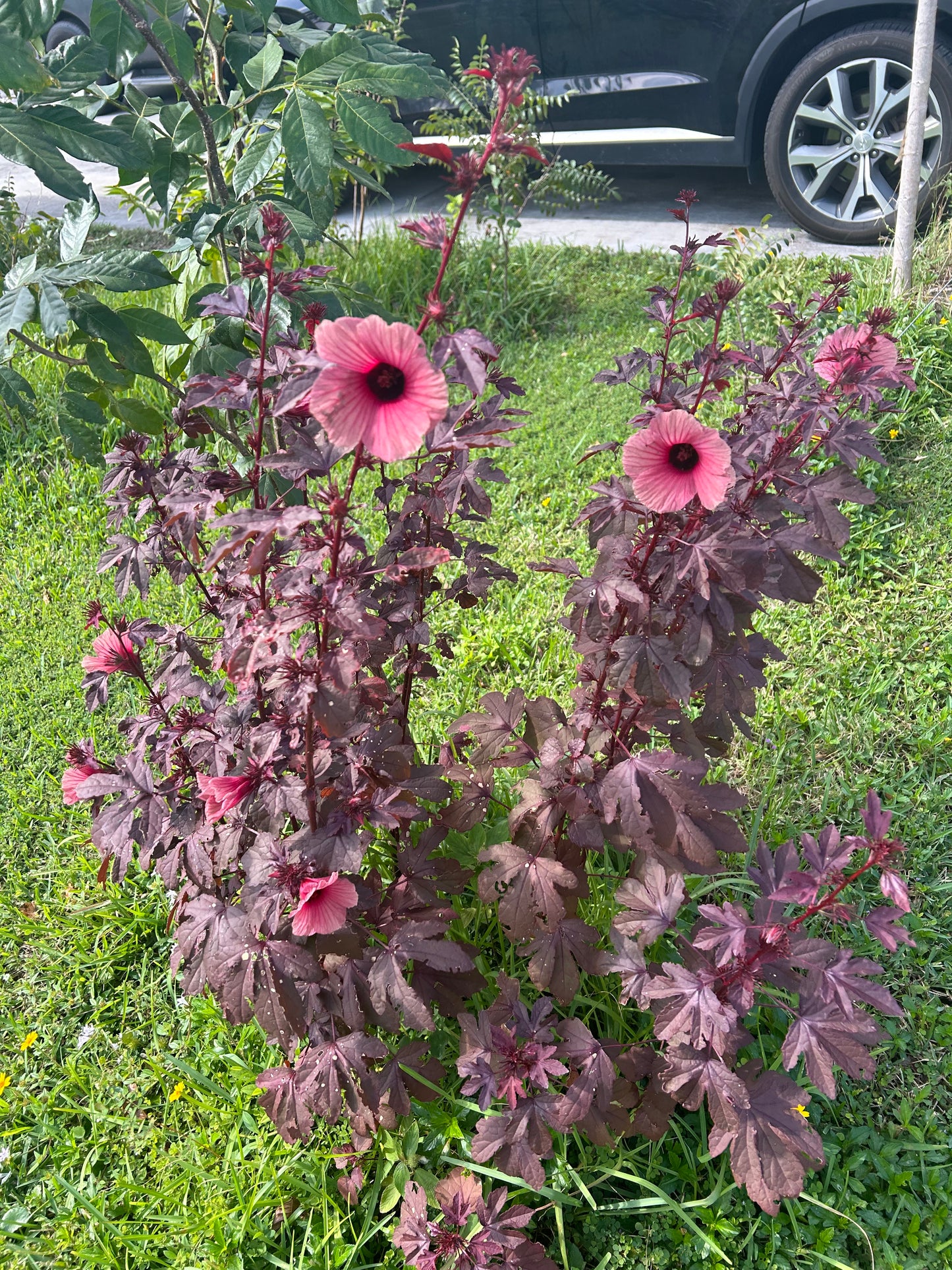
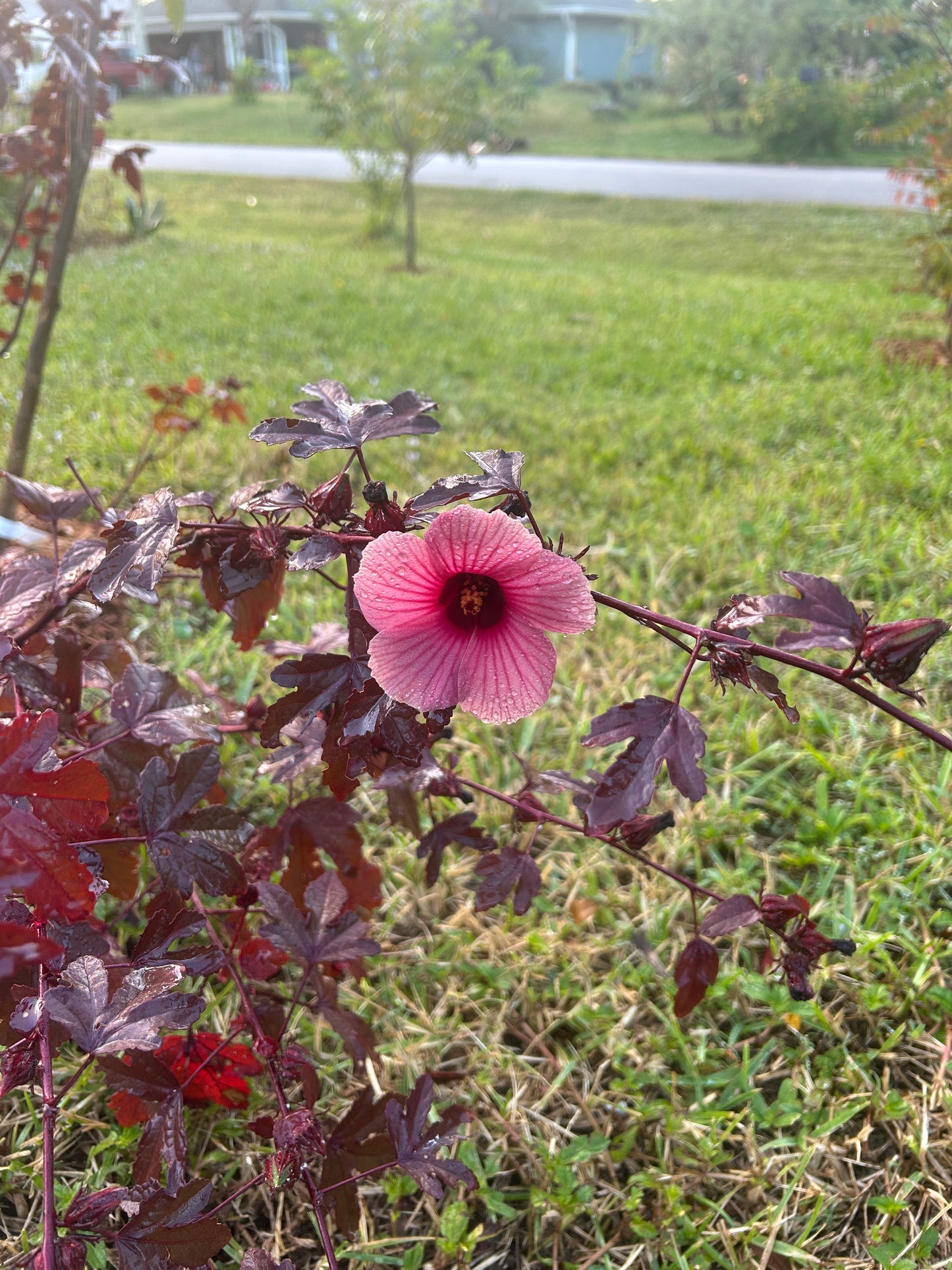
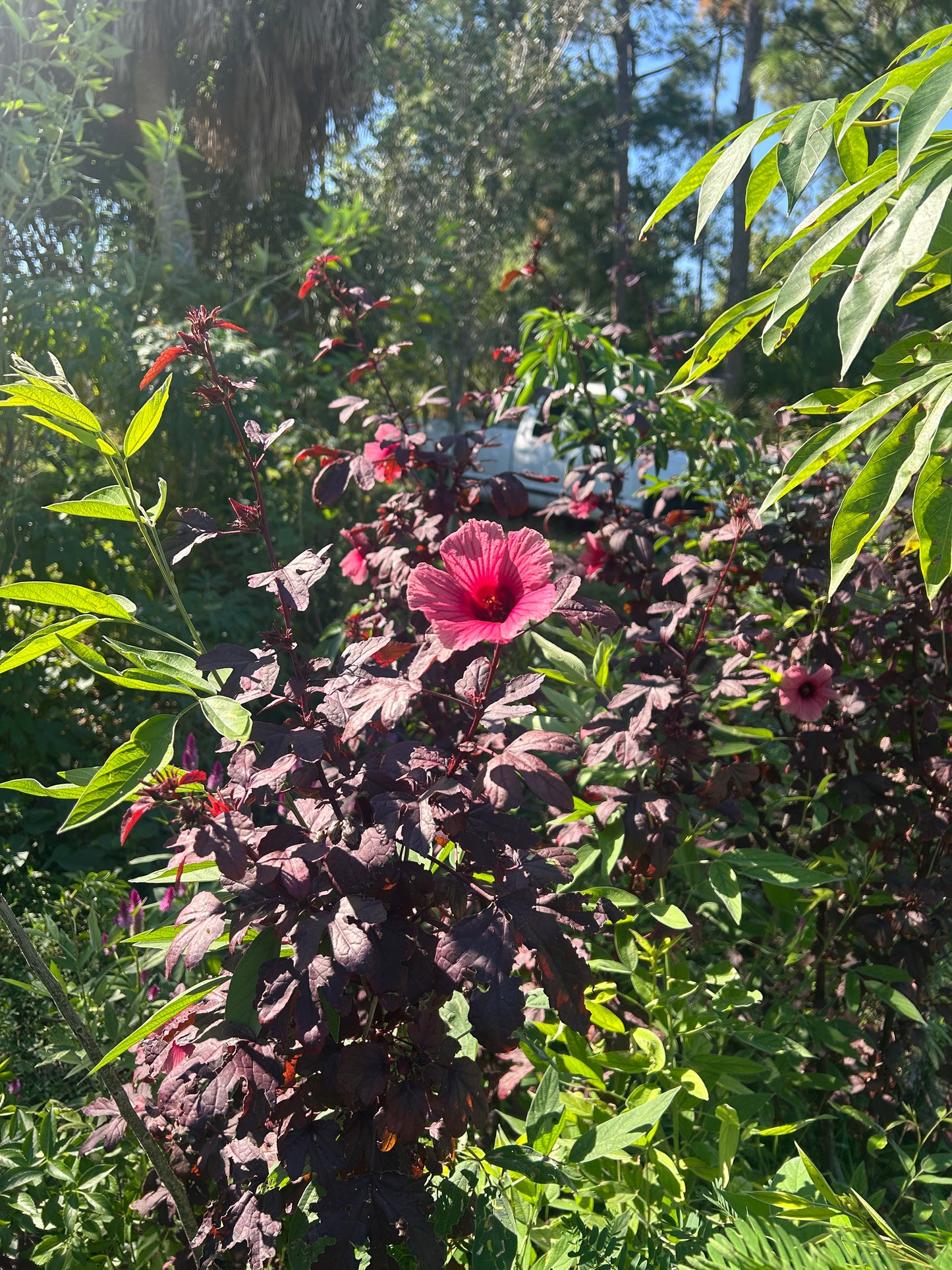
Seeds of Cranberry Hibiscus (Hibiscus acetosella), also known as False Roselle or African Rosemallow, organically grown right here in Florida. If you want a plant that earns its place in the garden ten times over — with jaw-dropping beauty, edible leaves and flowers, culinary versatility, and powerful antioxidant properties — Cranberry Hibiscus is it. The deep burgundy-red, deeply lobed leaves look like they belong in a high-end restaurant garnish, and the flavor delivers on that promise: bright, tart, and cranberry-like, with a refreshing acidity that makes it one of the most exciting edible plants you can grow in Florida.
Why Grow Cranberry Hibiscus?
- Spectacular ornamental beauty: The deeply lobed, dark burgundy-red leaves are among the most visually striking of any edible plant. A showstopper in garden beds, borders, and containers — beautiful enough to be purely ornamental, useful enough to harvest daily.
- Tart, cranberry-like flavor: The leaves and flowers have a bright, tangy flavor reminiscent of cranberry or sorrel — a unique and delicious addition to salads, drinks, and cooked dishes.
- Antioxidant powerhouse: The deep red-purple color comes from anthocyanins — the same potent antioxidants found in blueberries and red wine. Rich in vitamin C, flavonoids, and polyphenols that support immune health, circulation, and cellular protection.
- Edible leaves AND flowers: Both the leaves and the delicate pink-red flowers are edible — a dual-harvest plant that gives you something beautiful to eat at every stage of growth.
- Perfect for Florida: Thrives in Florida's heat and humidity. Heat-tolerant, drought-resistant once established, and a prolific grower in our climate.
- Fast-growing: From seed to harvest in as little as 6–8 weeks. One of the fastest edible ornamentals you can grow.
- Attracts pollinators: The flowers attract bees, butterflies, and hummingbirds — a beautiful and functional addition to any wildlife-friendly garden.
Culinary Uses
Cranberry Hibiscus is one of the most versatile edible plants in the garden:
- Fresh in salads: Young leaves add a beautiful pop of color and bright, tart flavor to any salad. Use as you would sorrel or arugula.
- Hibiscus tea (Agua de Jamaica): Steep fresh or dried leaves and flowers in hot water for a gorgeous ruby-red tea with a tart, cranberry-like flavor. Naturally rich in vitamin C. Serve hot or iced with honey and lime.
- Infused water: Add fresh leaves to a pitcher of cold water for a naturally flavored, antioxidant-rich infused water with a beautiful pink hue.
- Smoothies & juices: Blend fresh leaves into smoothies for a tart, antioxidant boost and a stunning deep red color.
- Sauces & jams: Cook down with sugar and citrus for a cranberry-like sauce or jam — beautiful on cheese boards, with roasted meats, or on toast.
- Garnish: The striking leaves and flowers make an elegant garnish for cocktails, mocktails, desserts, and savory dishes.
- Cooked greens: Sauté mature leaves with garlic and olive oil — the tartness mellows beautifully with heat, similar to cooked sorrel.
- Cocktails & mocktails: Muddle fresh leaves or steep into simple syrup for a stunning, tart hibiscus cocktail base.
How to Grow from Seed
- Soak seeds: Soak seeds in warm water for 24 hours before planting — this softens the seed coat and significantly improves germination rates.
- Sow seeds: Plant ¼ inch deep in moist seed-starting mix or directly in the garden. Keep the medium consistently moist.
- Germination: Seeds typically germinate within 7–14 days in Florida's warm soil. Warmer soil = faster germination.
- Thin seedlings: Once seedlings reach 3–4 inches tall, thin to 18–24 inches apart for best growth.
- First harvest: Begin harvesting individual leaves when plants are 6–8 inches tall. Regular harvesting encourages bushy, productive growth.
Growing Tips for Florida Gardeners
- Sun: Full sun for best color and growth. The deep burgundy color intensifies with more sun exposure — shade-grown plants tend to be greener.
- Water: Regular moisture while establishing, then drought-tolerant. Thrives with consistent watering but handles dry spells once established.
- Soil: Adaptable to most Florida soils. Well-draining soil with some compost amendment produces the best growth.
- Fertilizer: Light applications of balanced organic fertilizer in spring and summer support lush, productive growth.
- Self-seeding: Cranberry Hibiscus self-seeds readily — once established in your garden, it will often return year after year.
- Season: Grows year-round in South Florida. In Central and North Florida, treat as an annual or bring containers indoors during cold snaps.
Organically grown in Florida 🌿 | Ships as seeds ready to plant
Share