What's Growing on Florida?
Florida strangler fig cuttings
Florida strangler fig cuttings
Couldn't load pickup availability
Florida Strangler Fig — A Living Piece of Florida's Ancient Ecosystem
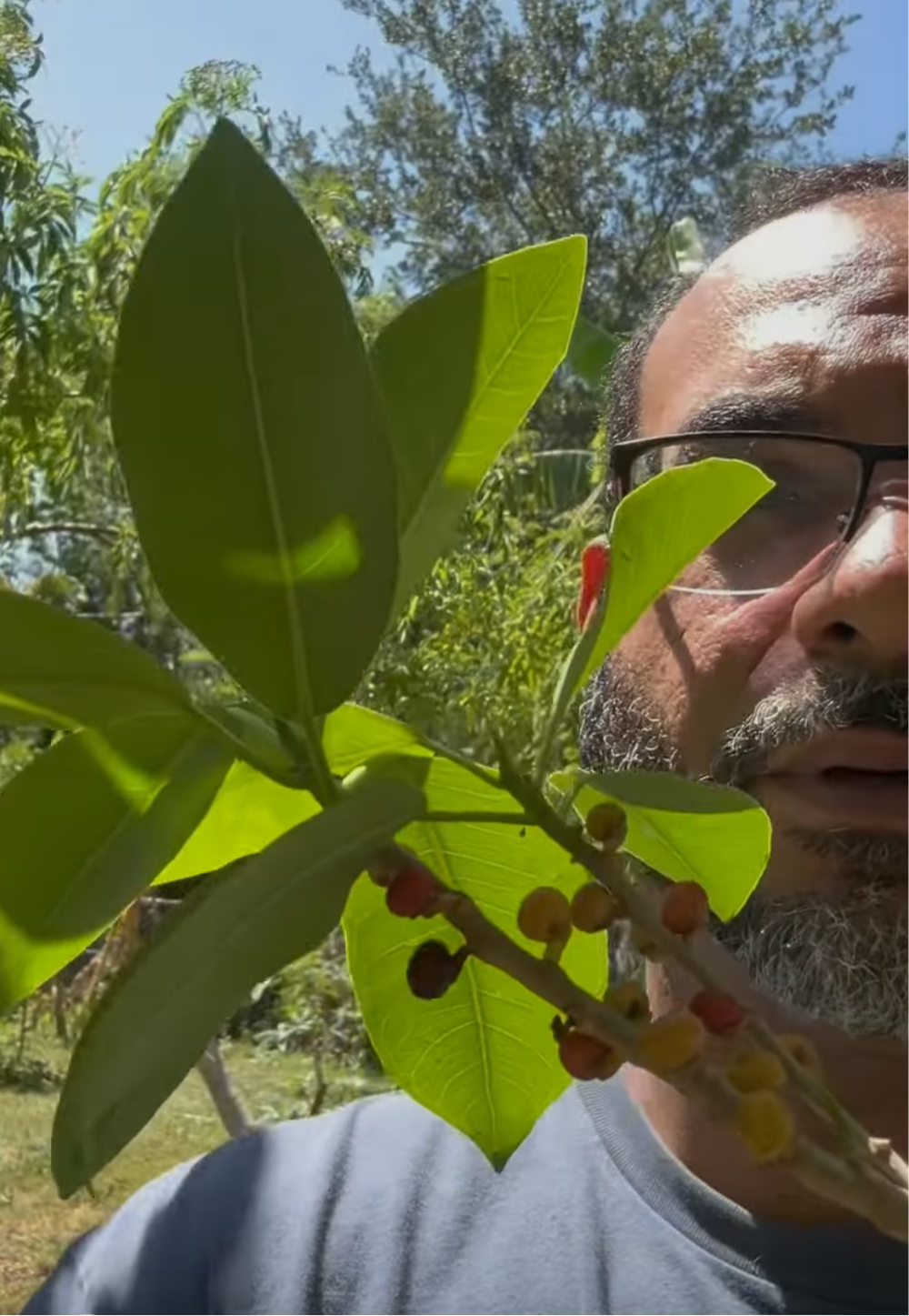
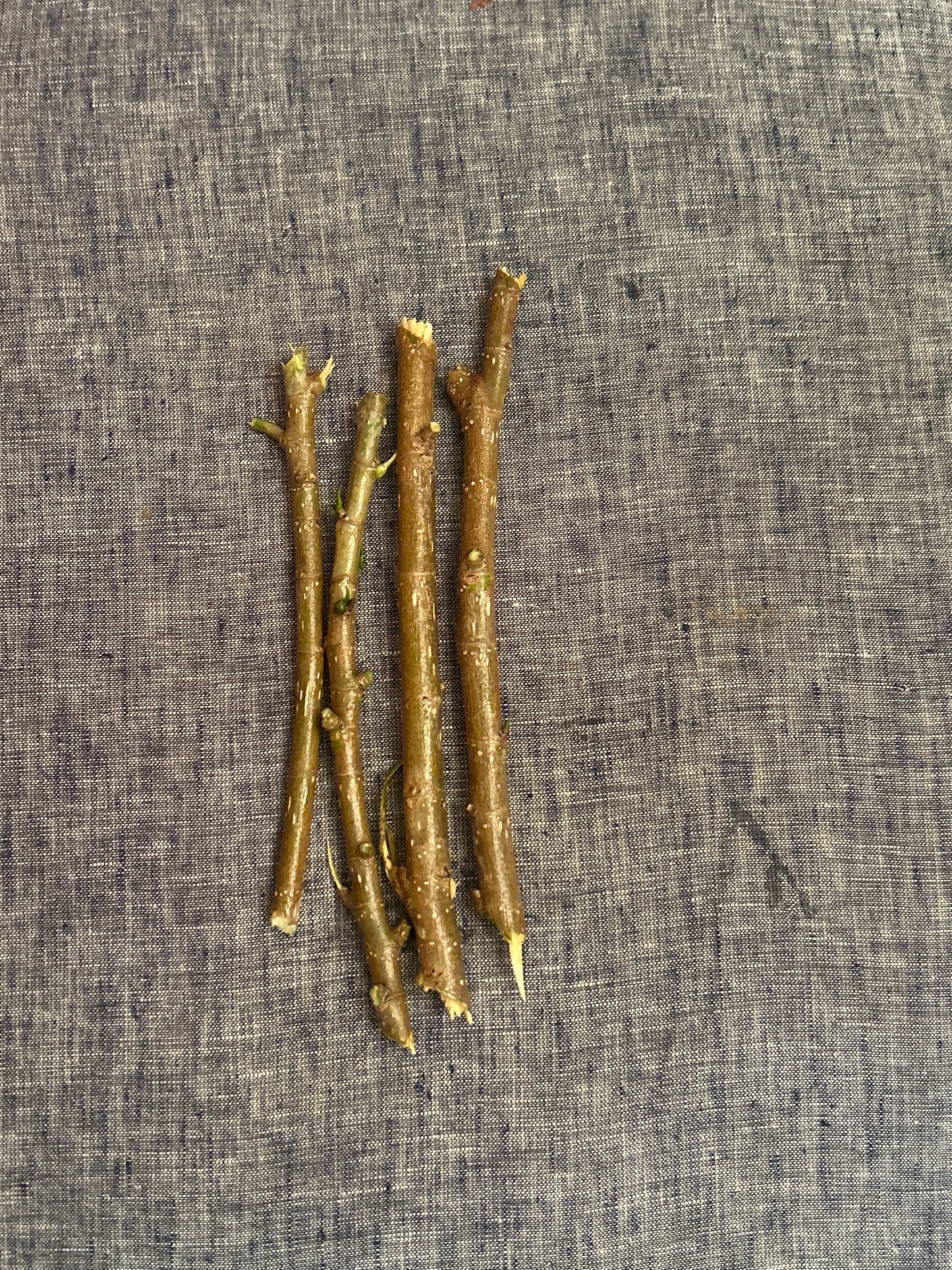
Three cuttings of Florida Strangler Fig (Ficus aurea), grown from mature, thriving trees right here in Florida. This is not just a plant — it's a piece of Florida's living history. The Strangler Fig is one of the most ecologically important, biologically fascinating, and visually dramatic trees in the entire state. It has shaped Florida's forests for millions of years, fed countless generations of wildlife, and inspired awe in everyone who has ever stood beneath its cathedral-like canopy of aerial roots. Now you can grow one yourself — as a bonsai, a landscape specimen, or a cornerstone of a native Florida habitat garden.
The Remarkable Story of the Strangler Fig
The Florida Strangler Fig earns its dramatic name through one of nature's most extraordinary survival strategies. Its life begins not in the ground, but in the canopy — a bird or bat eats a fig fruit and deposits a seed high in the branches of a host tree. The seedling germinates in the canopy, sending roots downward through the air toward the forest floor. Over decades, these aerial roots thicken, fuse together, and gradually envelop the host tree in a lattice of woody roots. Eventually, the host tree dies and decomposes, leaving the Strangler Fig standing on its own — a hollow, cathedral-like structure of interlocking roots that can live for hundreds of years.
Far from being a villain, the Strangler Fig is a keystone species — one of the most ecologically important trees in Florida's ecosystem. Its figs fruit multiple times a year, providing a critical, year-round food source for over 100 species of birds, mammals, and reptiles when other food sources are scarce. Remove the Strangler Fig from Florida's ecosystem, and the ripple effects would be felt across the entire food web.
The Fruit — Florida's Original Wild Food
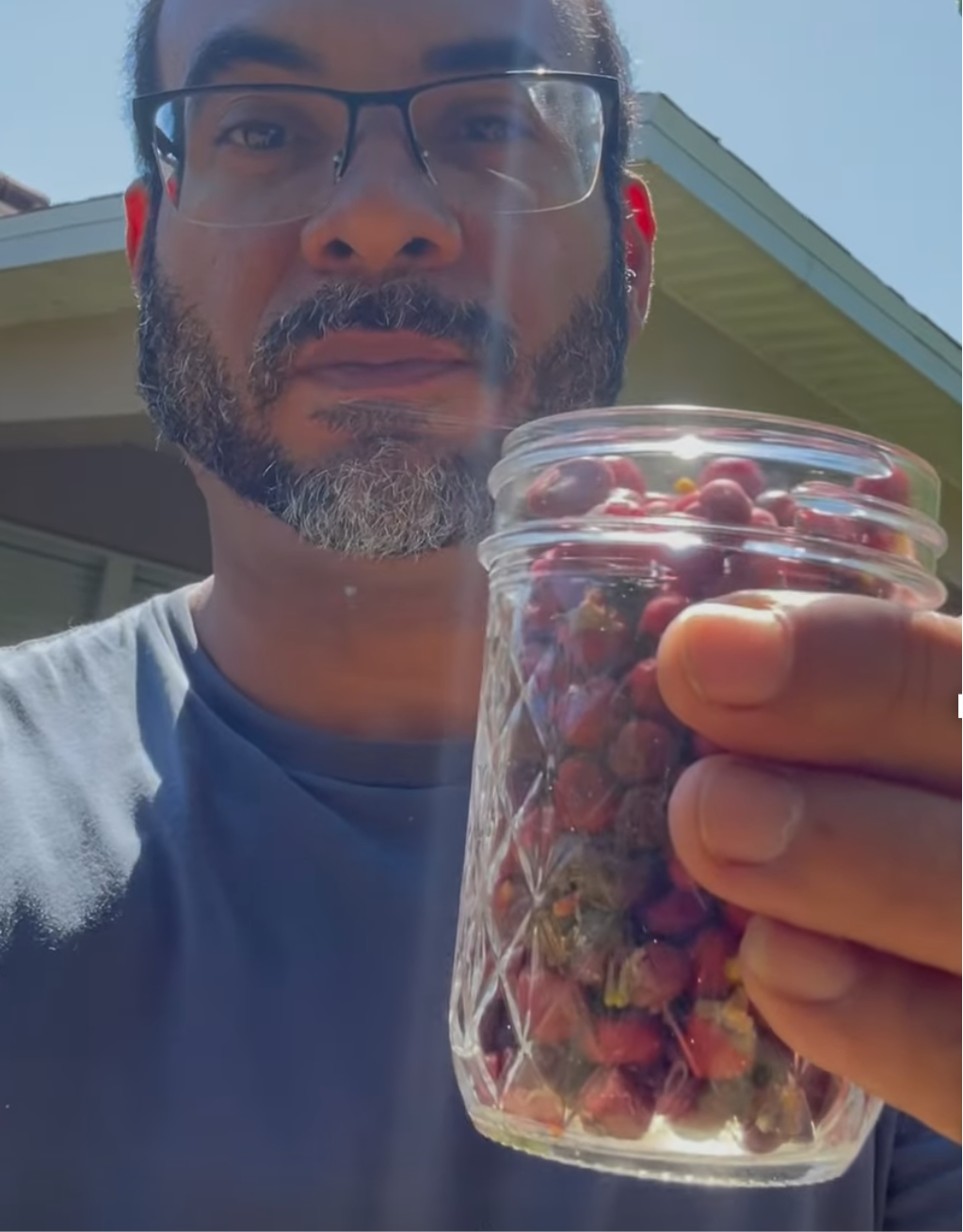
The Strangler Fig produces small, round figs — about the size of a marble — that ripen from green to yellow to deep red-purple. They fruit prolifically and continuously throughout the year, making them one of Florida's most reliable wild food sources. Long before grocery stores, the Strangler Fig was a critical part of the Florida landscape's food web — for wildlife and people alike.
Early Florida settlers relied heavily on Strangler Fig fruit as a survival food. The Seminole people and early pioneers harvested the figs as a sweet, nutritious wild food source during lean times. The fruit is edible raw — sweet and mild, similar to a small, less complex common fig — and was also dried, cooked into preserves, and fermented. In a landscape where food could be scarce, the Strangler Fig's year-round fruiting made it invaluable. Birds and mammals that fed on the figs were in turn hunted by settlers, making the Strangler Fig an indirect cornerstone of early Florida's food chain. It was, in many ways, the tree that helped feed Florida.
Today the small figs remain a beloved treat for wildlife — and a reminder that Florida's native landscape has always been generous to those who know how to read it.
Why Grow a Florida Strangler Fig?
- Florida's most iconic native tree: A true symbol of wild Florida — found in hammocks, swamps, and coastal forests from the Keys to Central Florida. Growing one connects your garden to Florida's ancient natural heritage.
- Extraordinary bonsai subject: The Strangler Fig's dramatic aerial roots, naturally gnarled trunk, and vigorous growth make it one of the most sought-after bonsai trees in the world. Florida-grown specimens have a natural head start on developing the character that bonsai artists spend decades cultivating.
- Wildlife magnet: The figs are a critical food source for birds including mockingbirds, cedar waxwings, woodpeckers, and many migratory species. Plant one and watch your yard become a wildlife sanctuary.
- Architectural beauty: The aerial roots and buttressed trunk create a living sculpture that becomes more dramatic and beautiful with every passing year.
- Habitat restoration: An ideal choice for native landscaping, food forest projects, and habitat restoration. Supports the entire local food web.
- Incredibly tough: Drought-tolerant once established, adaptable to poor soils, and naturally resistant to most pests and diseases. One of Florida's most resilient native trees.
- Fast-growing: In Florida's warm climate, Strangler Figs grow vigorously — especially when given adequate water and sun during establishment.
Growing as Bonsai
The Florida Strangler Fig is a premier bonsai species, prized by enthusiasts worldwide for its dramatic character — and one detail that makes it especially magical as a bonsai: it fruits in miniature. The small, marble-sized figs that appear on a mature bonsai specimen are perfectly proportioned to the tree's scale, creating a breathtaking living sculpture that looks like a tiny ancient fig tree in full fruit. It's one of the few bonsai subjects where the fruit itself enhances the illusion of a full-sized tree in miniature.
- Style: Naturally suited to banyan, aerial root, and forest styles. The aerial roots can be trained to fuse and create extraordinary trunk structures over time.
- Soil: Well-draining bonsai mix. Ficus prefer slightly moist but never waterlogged conditions.
- Light: Full sun to bright indirect light. Outdoor growing in Florida's climate produces the most vigorous growth and best trunk development.
- Pruning: Responds beautifully to pruning — back-budding is vigorous, making it forgiving for beginners and rewarding for experienced practitioners.
- Aerial roots: In Florida's humidity, aerial roots develop naturally. Encourage them by misting the trunk and keeping humidity high — they add extraordinary character over time.
- Repotting: Every 2–3 years in spring, or when roots fill the pot.
Growing in the Landscape
- Sun: Full sun to part shade. Full sun produces the most vigorous growth.
- Water: Regular moisture while establishing — typically 1–2 years. Once established, remarkably drought-tolerant.
- Soil: Adaptable to a wide range of Florida soils, including poor, sandy, and rocky soils. Excellent drainage is important.
- Space: In the landscape, Strangler Figs can eventually become very large trees. Plant with awareness of their mature size — or manage with regular pruning to keep at a desired scale.
- Native habitat: Ideal for hammock gardens, coastal landscapes, and native Florida habitat restoration projects.
How to Root Your Cuttings
- Prepare your cutting: Remove lower leaves, leaving 2–3 leaves at the top. Allow the cut end to dry for 1–2 hours — Ficus cuttings exude a milky latex sap that should be allowed to seal before planting.
- Optional rooting hormone: Dip the cut end in rooting hormone powder or gel to encourage faster root development.
- Plant it: Insert 2–3 inches deep into moist, well-draining potting mix. A mix of perlite and potting soil works well.
- Warmth & humidity: Place in a warm spot with bright indirect light. A humidity dome or plastic bag tent significantly improves rooting success.
- Roots in 3–6 weeks: In Florida's warm climate, roots typically develop within 3–6 weeks. New leaf growth signals successful rooting.
Grown from mature Florida Strangler Fig trees 🌿 | 3 cuttings per order | Florida native species | Ships ready to root
Share