What's Growing on Florida?
Pigeon peas
Pigeon peas
Couldn't load pickup availability
Pigeon Peas — One of the World's Oldest & Most Useful Food Plants
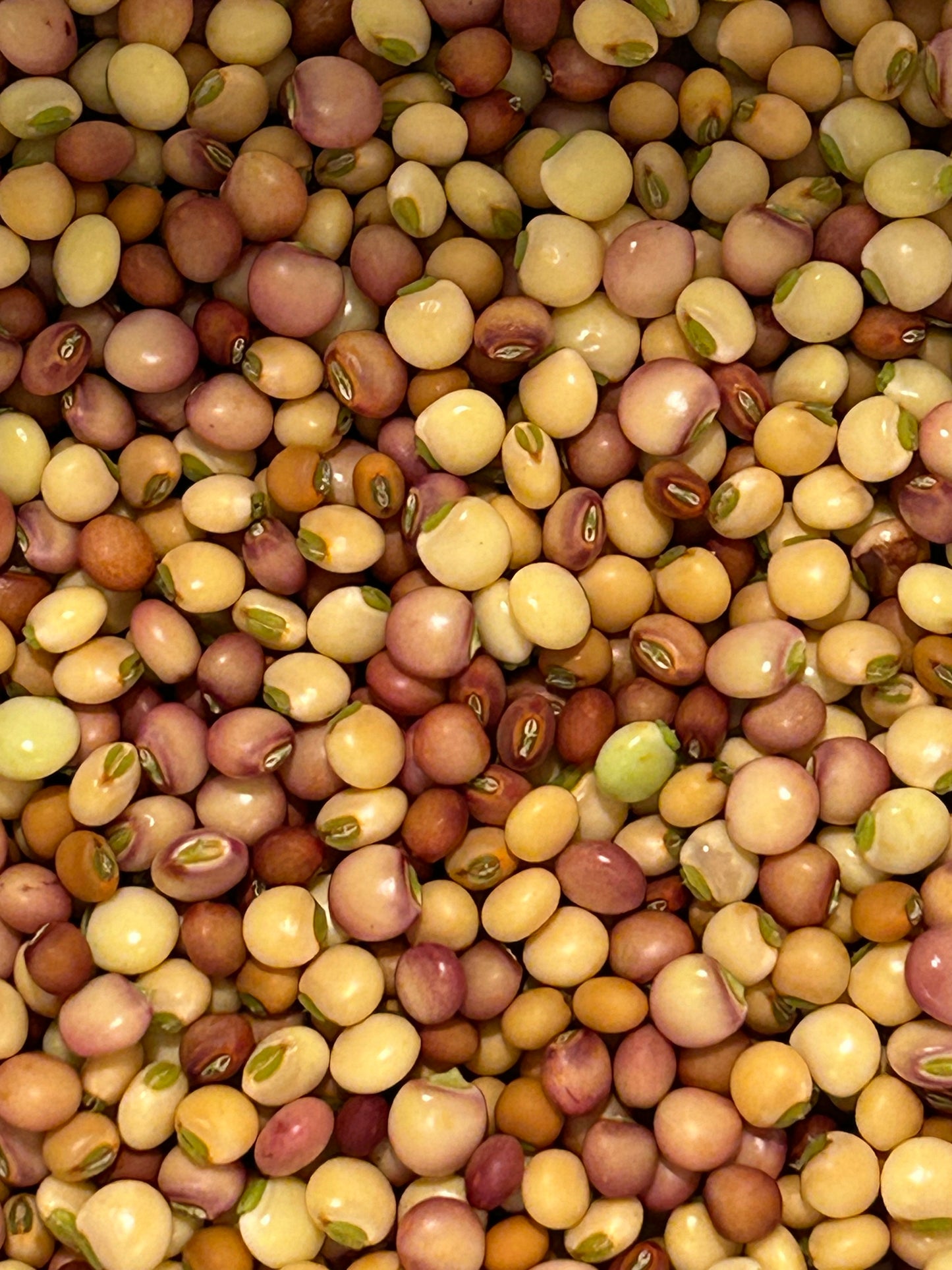
12 seeds per packet. Cajanus cajan — the pigeon pea — is one of the most ancient, versatile, and underappreciated food plants on earth. Hardy, drought-tolerant, nitrogen-fixing, and productive in soils that defeat most other crops, the pigeon pea has sustained human populations across the tropics for thousands of years. And in Florida's warm climate, it thrives with almost no effort — producing food, improving your soil, and offering medicinal properties that have attracted the attention of modern pharmaceutical researchers.
A Food That Has Fed Civilizations for 3,500 Years
The pigeon pea is one of the oldest cultivated legumes in human history — with archaeological evidence of cultivation dating back over 3,500 years in India, where it remains a cornerstone of the diet to this day.
- India — The Home of Dhal: In India, pigeon peas are the primary ingredient in toor dal (also called arhar dal) — one of the most consumed foods on the subcontinent. Dal has been eaten daily by hundreds of millions of people for millennia, providing the primary source of plant protein for vast populations across South Asia. It is not an exaggeration to say that the pigeon pea has been one of the most important plants in human nutrition for thousands of years. The split, dried peas are simmered into a spiced lentil soup that forms the backbone of Indian cuisine from north to south.
- The Caribbean & Latin America: Brought to the Americas through the African slave trade, pigeon peas became deeply embedded in Caribbean and Latin American food culture. In Puerto Rico, arroz con gandules (rice with pigeon peas) is the national dish. In Jamaica, Trinidad, and across the Caribbean, pigeon peas are a staple ingredient in soups, stews, and rice dishes that have been passed down for generations.
- Africa: Pigeon peas are a critical food security crop across sub-Saharan Africa, valued for their ability to produce reliable yields in poor soils and drought conditions where other crops fail. They are eaten fresh, dried, and ground into flour across the continent.
The Pharmaceutical Research — What Scientists Are Discovering About Pigeon Pea Leaves
Beyond its extraordinary value as a food crop, the pigeon pea has attracted significant attention from pharmaceutical researchers for the medicinal properties of its leaves. Traditional medicine systems across Africa, Asia, and the Caribbean have used pigeon pea leaves for centuries to treat wounds, infections, and a range of health conditions — and modern science is beginning to validate these traditional uses in remarkable ways.
Of particular interest is research into the antiviral properties of compounds found in pigeon pea leaves. Studies have identified several bioactive compounds — including flavonoids, stilbenes, and other phytochemicals — that have demonstrated antiviral activity in laboratory research, including against herpes simplex virus (HSV). Pharmaceutical companies and academic researchers have investigated these compounds as potential leads for antiviral drug development, drawn by the pigeon pea's long history of traditional medicinal use and the potency of its leaf extracts in preliminary studies.
The leaves are also rich in antioxidant compounds that have shown anti-inflammatory, antimicrobial, and wound-healing properties in research settings — consistent with their centuries of use in traditional medicine across the tropics.
*These statements have not been evaluated by the Food and Drug Administration. This product is not intended to diagnose, treat, cure, or prevent any disease. The research referenced is preliminary laboratory research and does not constitute medical advice.
The Leaves — Medicinal Tea & More
The leaves of the pigeon pea plant are a powerful antioxidant and antiviral herb in their own right — and one of the most compelling reasons to grow this plant beyond its food value:
- Herbal tea: Dry the leaves and steep for a mild, earthy herbal tea that has been used across the tropics for immune support, anti-inflammatory benefits, and general wellness. The antioxidant and antiviral compounds in the leaves are the subject of active pharmaceutical research.
- Wound healing: Fresh or dried leaves have been applied topically across traditional medicine systems in Africa, Asia, and the Caribbean for wound healing, skin infections, and inflammation.
- Traditional medicine: Used across tropical regions for centuries to address a wide range of conditions — from digestive issues to infections — with a growing body of scientific research beginning to explore the mechanisms behind these traditional uses.
Culinary Uses — The Peas
- Dal / dhal: Split and dried pigeon peas are the foundation of Indian toor dal — simmer with turmeric, cumin, garlic, and tomatoes for an authentic, protein-rich dish that has sustained civilizations for millennia.
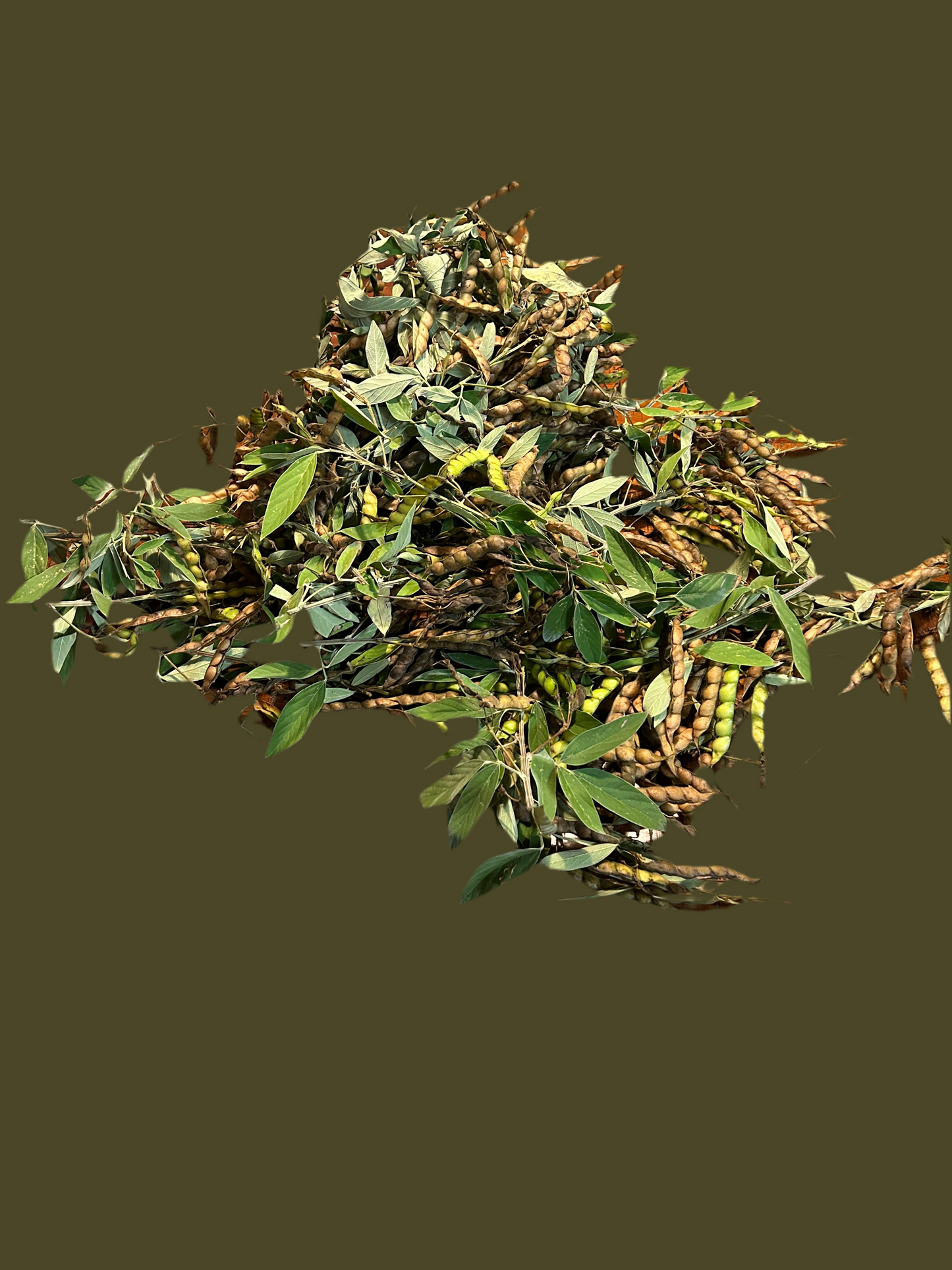
- Fresh green peas: Harvest young pods and shell the fresh green peas — use like fresh garden peas in salads, stir-fries, rice dishes, and soups. Sweet and tender when young.
- Soups & stews: Add dried or fresh peas to soups, stews, and curries for a hearty, protein-rich base. Essential in Caribbean pea soup and Latin American stews.
- Rice dishes: The classic Caribbean preparation — cook with rice, Sofrito, and spices for arroz con gandules or coconut milk and spices for Jamaican rice and peas.
- Flour: Dried peas can be ground into a high-protein flour for flatbreads, fritters, and baked goods.
Garden & Ecological Benefits
- Nitrogen-fixing: Like all legumes, pigeon peas fix atmospheric nitrogen through root bacteria, naturally enriching the soil and reducing the need for fertilizer. An essential plant in permaculture and regenerative garden systems.
- Drought-resistant: Once established, pigeon peas are remarkably drought-tolerant — producing reliable yields in conditions that stress most other food crops.
- Poor soil performer: Thrives in sandy, depleted, or low-fertility soils where most vegetables fail. Ideal for Florida's sandy soils.
- Windbreak & living fence: Dense, woody growth makes pigeon pea an effective windbreak and living fence for protecting gardens and fields.
- Biomass & mulch: Stems and prunings provide excellent mulch material and green manure for the garden.
- Pollinator habitat: The bright yellow flowers attract hummingbirds, bees and other beneficial insects.
How to Grow from Seed
- Direct sow: Sow seeds 1 inch deep, 12–18 inches apart, in full sun. In Florida, plant year-round in most regions.
- Soil: Tolerates poor, sandy, or depleted soils. Well-draining is ideal. Does not require rich soil — in fact, overly fertile soil can reduce pod production.
- Water: Water regularly until established, then minimal irrigation needed. Extremely drought-tolerant once roots are established.
- Germination: Typically germinates within 7–10 days in warm Florida conditions.
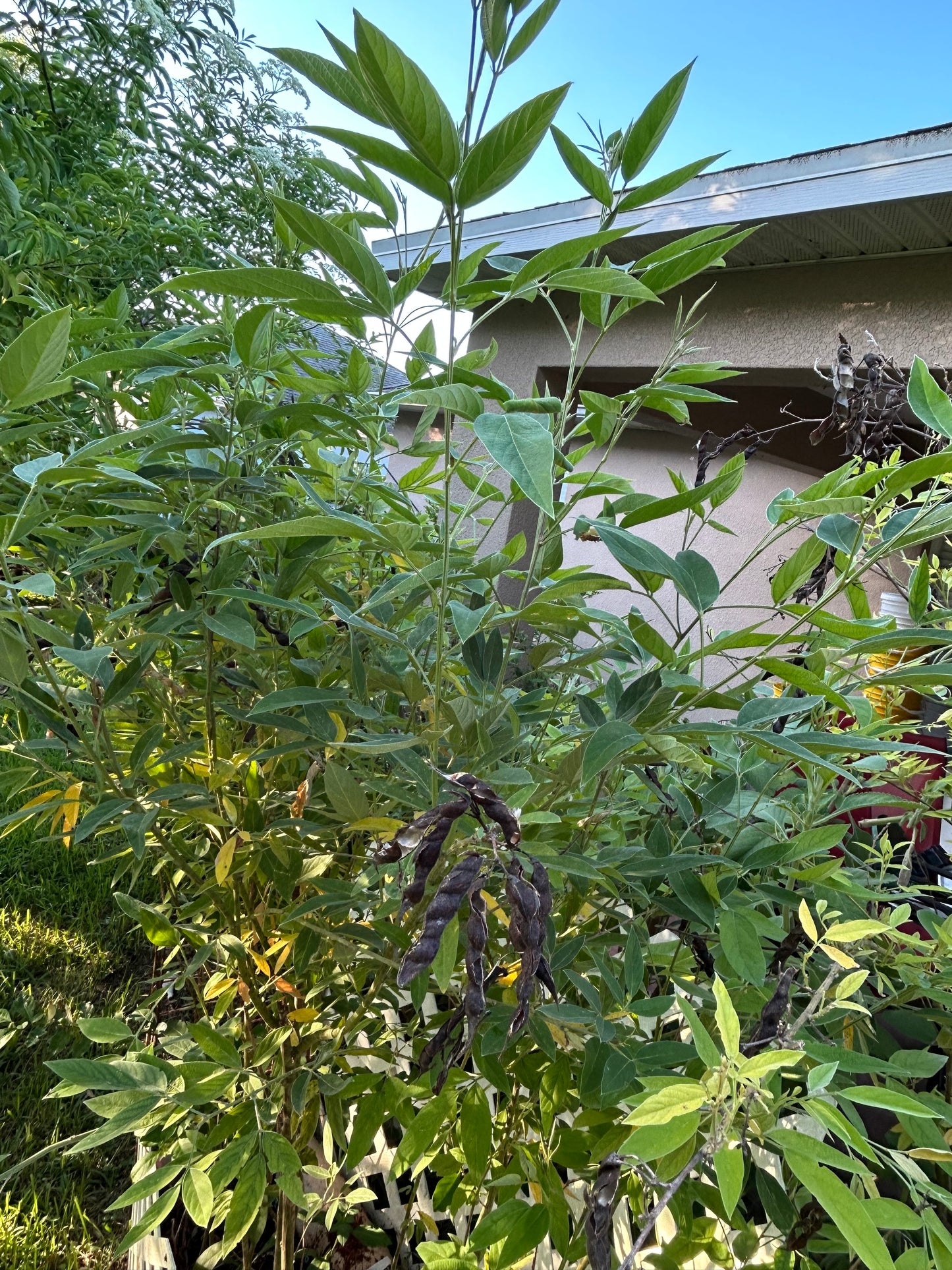
- Growth: Fast-growing — can reach 6–10 feet in Florida's climate. Begin harvesting fresh green pods within 3–4 months.
Growing Tips for Florida Gardeners
- Sun: Full sun for best production. Tolerates light shade.
- Pruning: Prune regularly to encourage bushy growth and continuous pod production. Use prunings as mulch or green manure.
- Perennial in Florida: Unlike in temperate climates where it's grown as an annual, pigeon pea is a perennial in Florida's frost-free zones — a single planting can produce for multiple years.
- Leaf harvest for tea: Harvest young leaves throughout the growing season. Dry at low heat (around 120°F) and store in an airtight container.
Florida-grown seeds 🌿 | 12 seeds per packet | Food + medicine + soil improvement | One of humanity's most important plants
Share