What's Growing on Florida?
Purple, sweet potato slips
Purple, sweet potato slips
Couldn't load pickup availability
Purple Sweet Potato Slips — The Antioxidant Powerhouse of the Sweet Potato World
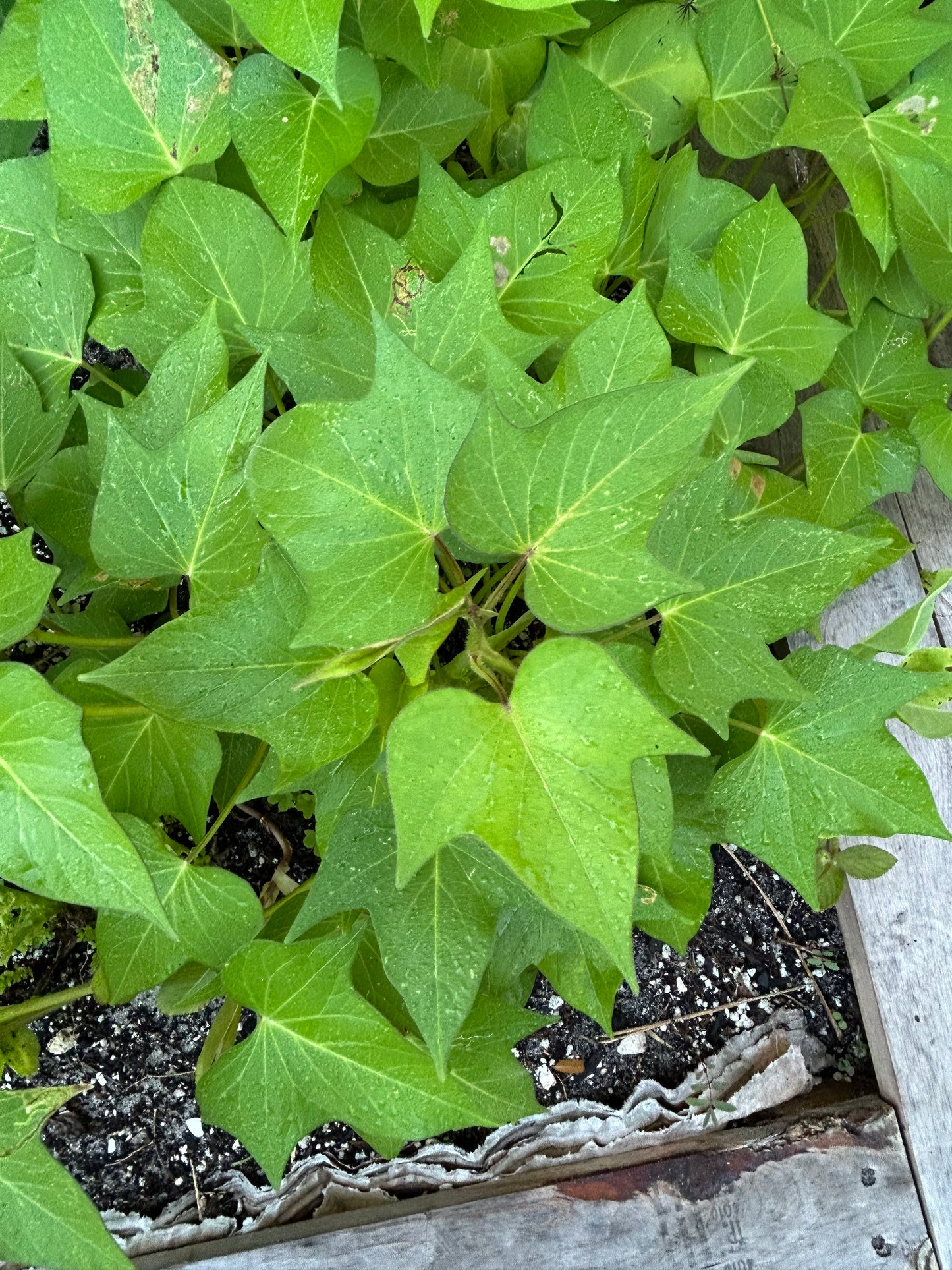
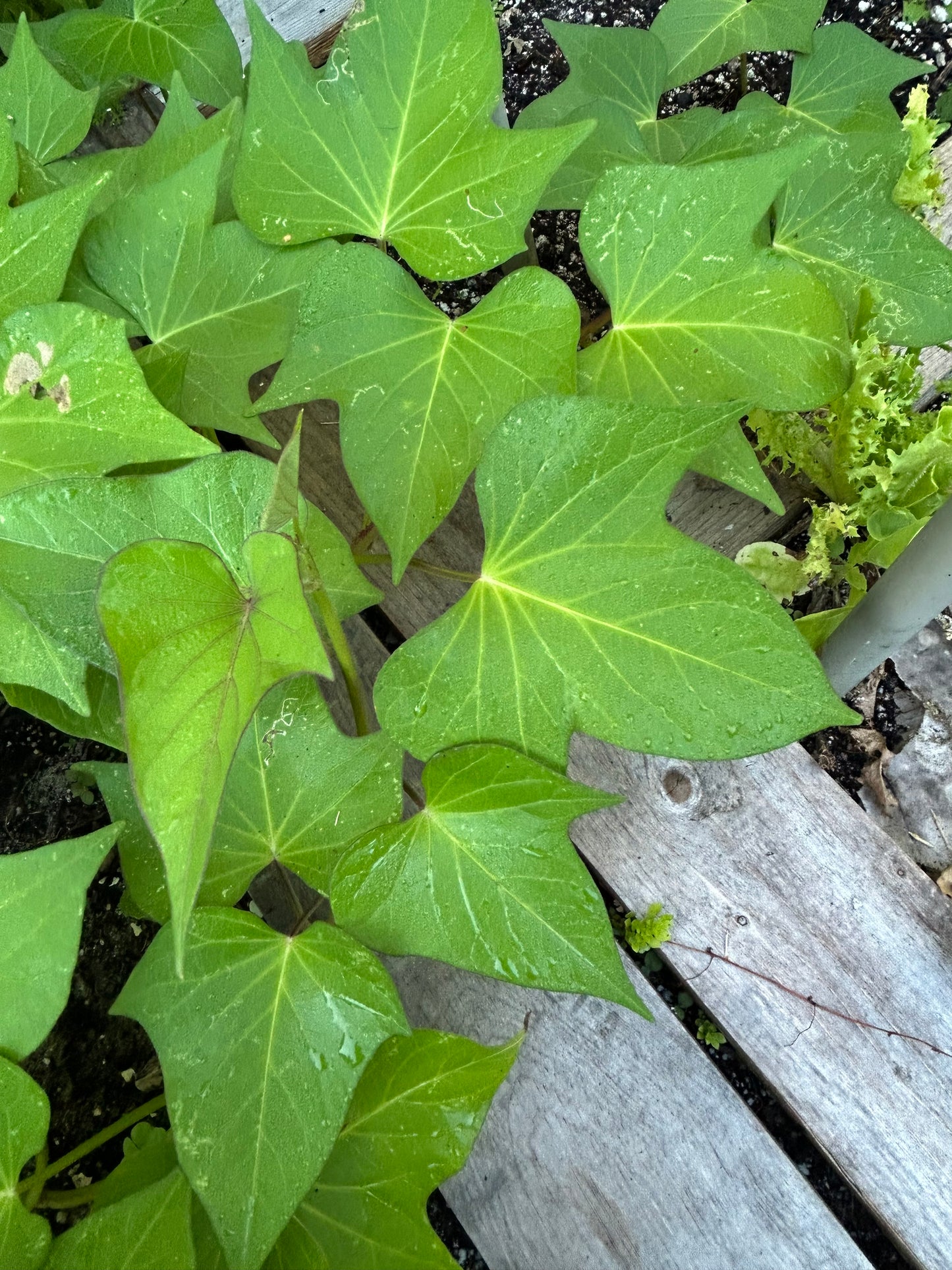
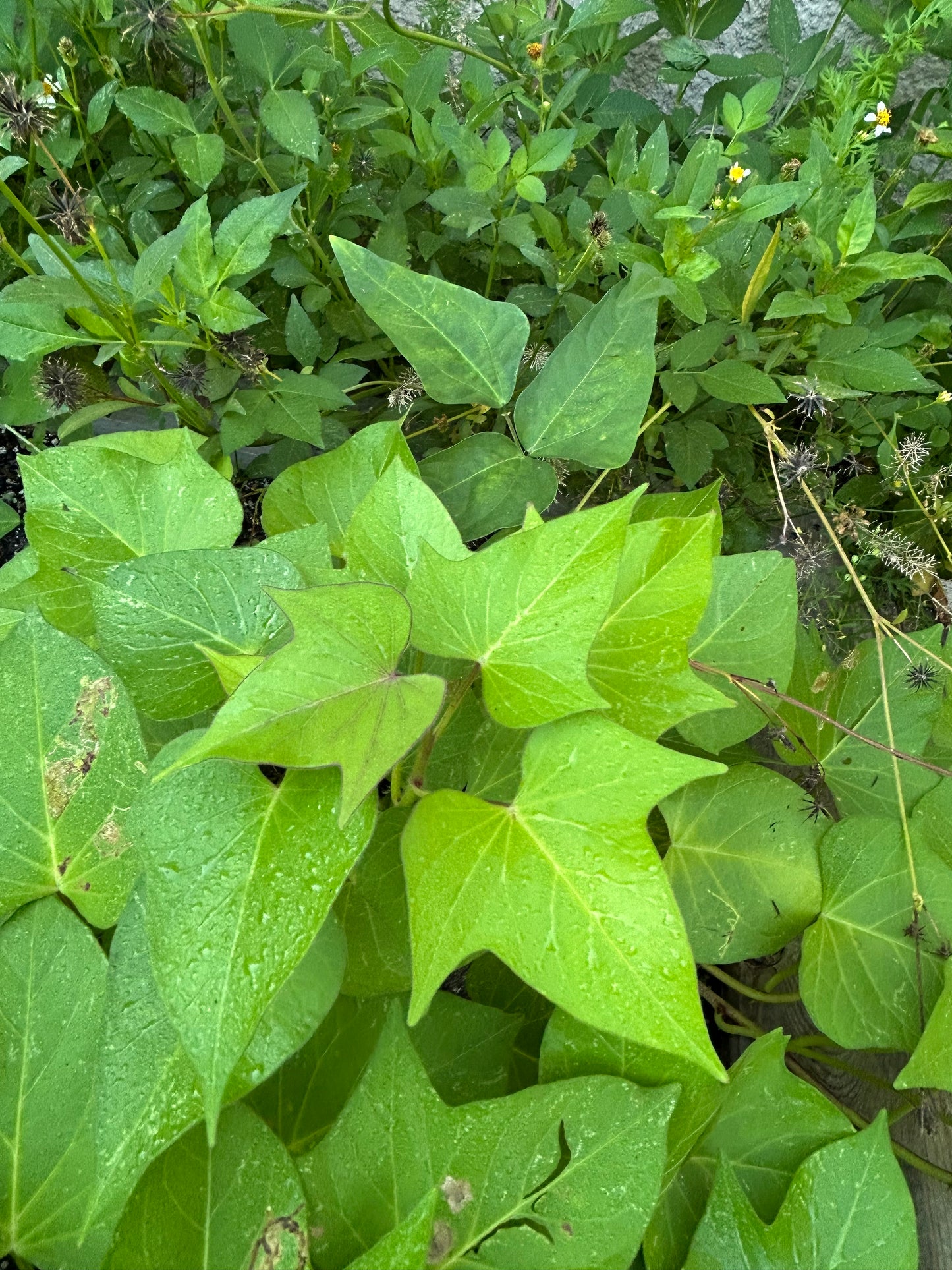
3 slips per order. Ipomoea batatas — the purple sweet potato — is one of the most nutritionally remarkable root vegetables you can grow. While all sweet potatoes are nutritious, the purple variety stands in a category of its own: its deep violet flesh is loaded with anthocyanins — the same powerful antioxidant pigments found in blueberries, blackberries, and red cabbage — making it one of the most antioxidant-dense foods available to the home gardener. And it grows beautifully in Florida's heat and summer rains.
A Purple Food Tradition That Spans Centuries
Purple sweet potatoes have a rich cultural history across the Pacific, Asia, and the Americas — prized not just for their striking color but for their perceived health benefits long before modern science confirmed them.
- Okinawa, Japan: The Okinawan purple sweet potato (beni-imo) is one of the most celebrated foods in Japanese cuisine and is frequently cited as a contributing factor to Okinawa's status as one of the world's Blue Zones — regions with exceptional longevity and low rates of chronic disease. Okinawans have eaten purple sweet potato as a dietary staple for centuries.
- The Philippines & Southeast Asia: Purple sweet potatoes are deeply embedded in Filipino cuisine, used in traditional desserts like ube halaya (purple yam jam), halo-halo, and puto. The vibrant purple color is celebrated in both sweet and savory preparations across the region.
- The Caribbean & Americas: Purple-fleshed sweet potato varieties have been cultivated across the Caribbean and South America for generations, used in traditional cooking and valued for their distinctive color and earthy sweetness.
When you grow purple sweet potatoes in your Florida garden, you're growing a food with centuries of cultural significance and a nutritional profile that modern science is only beginning to fully understand.
The Anthocyanin Advantage
The deep purple color of this sweet potato isn't just beautiful — it's a direct indicator of its extraordinary antioxidant content. Anthocyanins are the pigment compounds responsible for blue, purple, and red colors in many of the world's most nutritious foods. Research has shown promising associations with:
- ❤️ Heart health: May help support healthy blood pressure and reduce LDL oxidation.
- 🔥 Anti-inflammatory effects: Anthocyanins have demonstrated anti-inflammatory properties in multiple research studies.
- 🧠 Cognitive support: Emerging research suggests anthocyanins may support brain health and reduce age-related cognitive decline.
- ✨ Antioxidant protection: Neutralizes free radicals that drive cellular aging and chronic disease.
- 🥩 Blood sugar regulation: Lower glycemic index than many starchy foods, with additional blood sugar support from anthocyanin content.
*These statements have not been evaluated by the Food and Drug Administration. This product is not intended to diagnose, treat, cure, or prevent any disease.
Dual Harvest — Tubers & Edible Leaves
Like all sweet potatoes, the purple variety gives you two harvests from one plant:
- The tubers: Deep purple flesh with a sweet, earthy flavor and a dense, creamy texture that holds up beautifully in cooking. The color intensifies when roasted and remains vivid when steamed or boiled.
- The leaves: Young leaves and tender shoot tips are fully edible — mild, nutritious, and versatile. Harvest regularly from 3–4 weeks after planting. Use raw in salads, stir-fried with garlic, added to soups, or sautéed as a simple side. Rich in vitamins A, C, and K, calcium, and iron.
Culinary Uses — Tubers
- Roasted: The color deepens to a rich jewel-purple when roasted. Cut into wedges, toss with olive oil and sea salt, roast at 400°F until caramelized. Stunning on any plate.
- Mashed: Boil and mash for a vibrant purple mash — add butter, coconut milk, or cream. The color holds beautifully.
- Steamed: Preserves the most anthocyanins. Serve simply with olive oil and herbs.
- Fries & chips: Bake or air-fry for visually striking purple fries that are genuinely nutritious.
- Desserts: Exceptional in pies, cakes, ice cream, smoothies, and traditional preparations like Filipino ube halaya.
- Smoothies: Blend cooked purple sweet potato for a naturally sweet, antioxidant-rich base with a beautiful purple-pink color.
- Soups & curries: Cube and add to coconut milk curries — the color transforms the dish and the flavor adds earthy sweetness.
How to Plant Your Slips
- Timing: In Florida, plant year-round in most regions. Sweet potatoes thrive in warm soil — Florida's summer heat and rain are ideal.
- Choose your spot: Full sun — at least 6–8 hours of direct sun daily for best tuber production.
- Prepare the soil: Loose, well-draining soil. Raised beds or mounded rows improve drainage and give tubers room to develop.
- Plant the slips: Plant 12–18 inches apart in rows 3–4 feet apart. Bury up to the first set of leaves, leaving the growing tip above soil. Water in well.
- Mulch: Apply organic mulch around the base to retain moisture and suppress weeds.
- Water: Water regularly for the first 2–3 weeks. Once established, sweet potatoes are drought-tolerant.
Growing Tips for Florida Gardeners
- Harvest timing: Typically ready 90–120 days after planting. Harvest when leaves begin to yellow or soil cracks above the tubers.
- Leaf harvest: Begin harvesting young shoot tips 3–4 weeks after planting. Never harvest more than 1/3 of the vine at once.
- Curing: Cure at 85–90°F with high humidity for 5–7 days to develop sweetness and extend storage life.
- Saving slips: Keep a few tubers to produce next season's slips — place in a warm, bright spot and they'll sprout within a few weeks.
Florida-grown slips 🌿 | 3 slips per order | Dual harvest: tubers + edible leaves | Anthocyanin-rich — one of the most antioxidant-dense foods you can grow
Share