What's Growing on Florida?
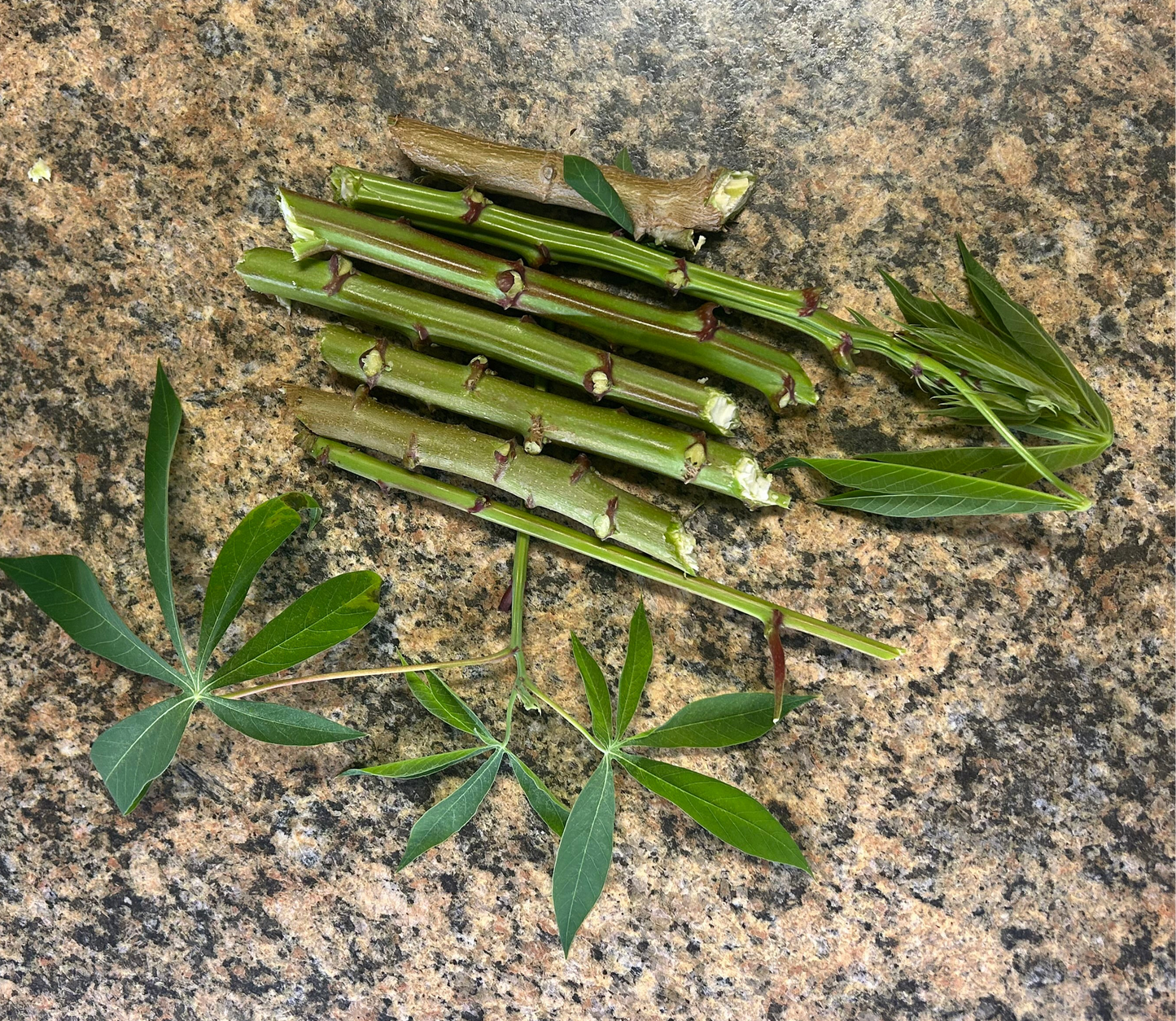
Yuca cuttings
Yuca cuttings
Couldn't load pickup availability
Grow Your Own Yuca — Florida's Tropical Superfood Tree
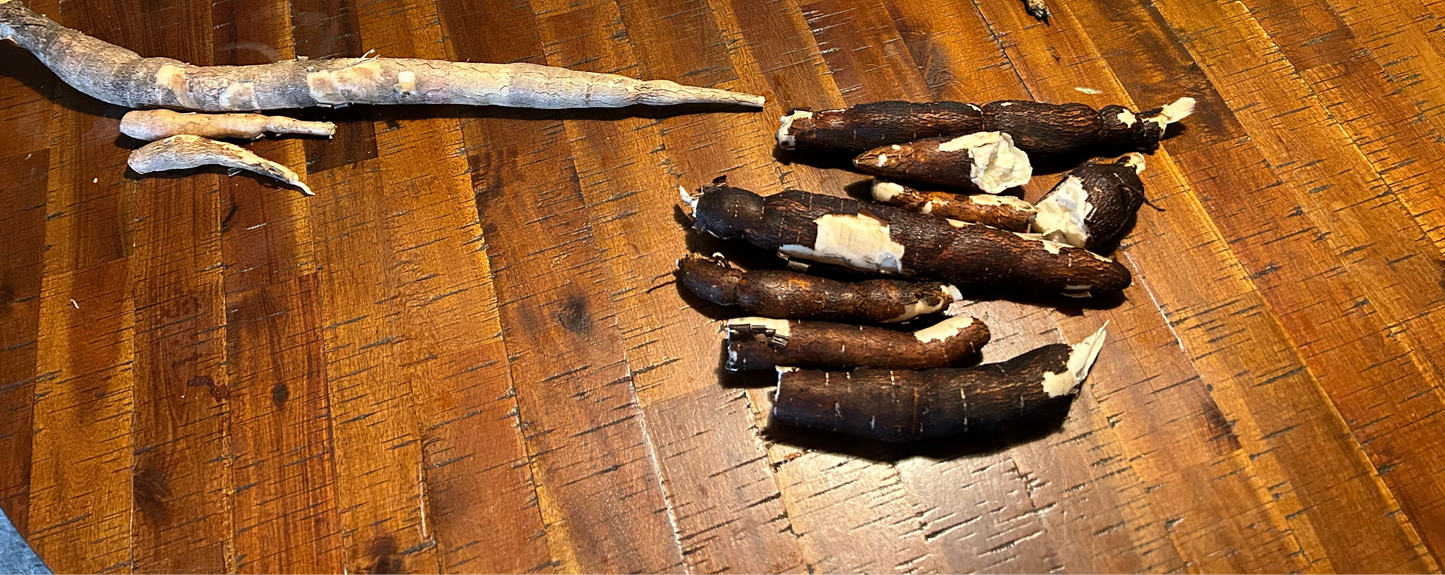
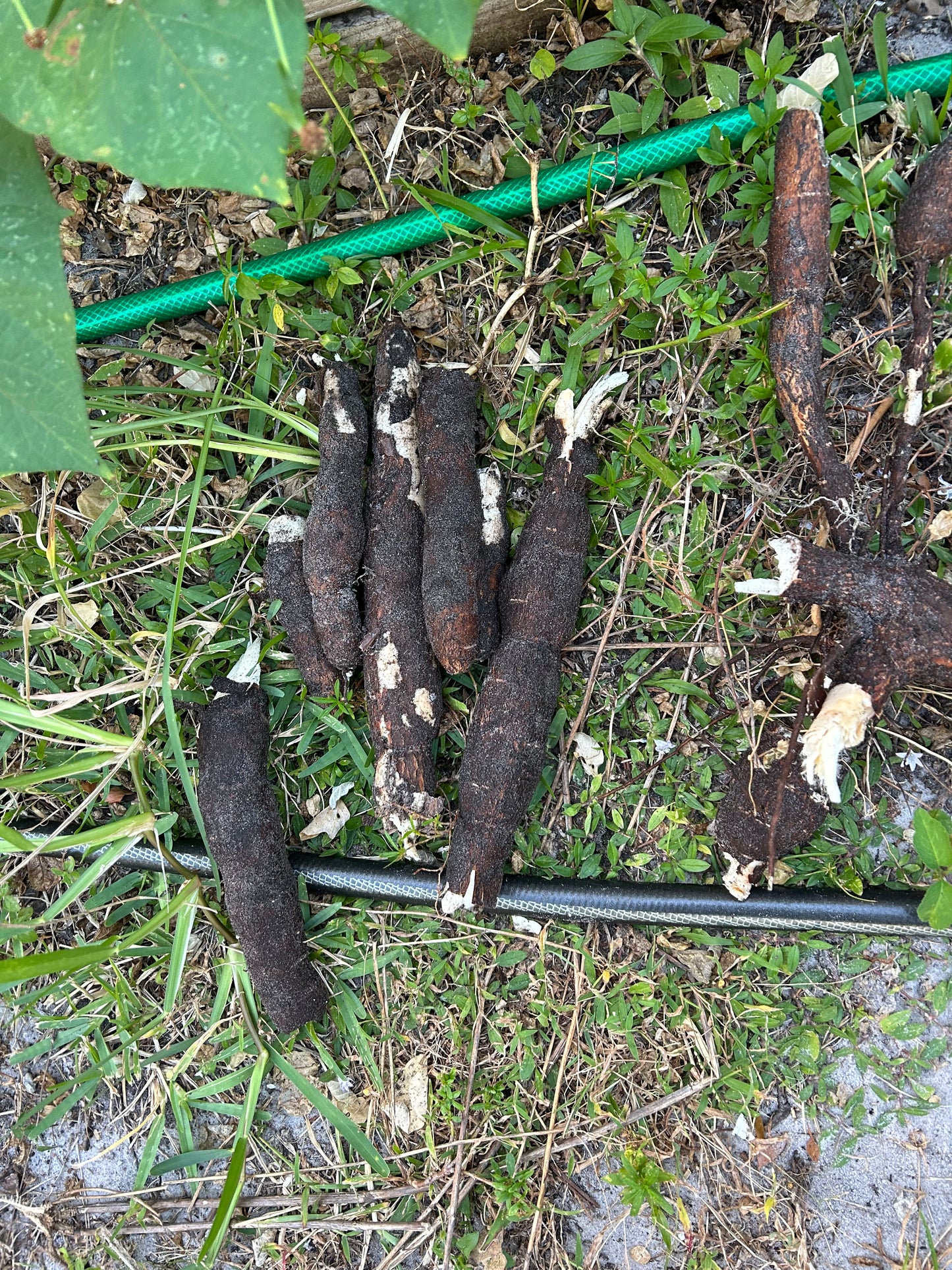
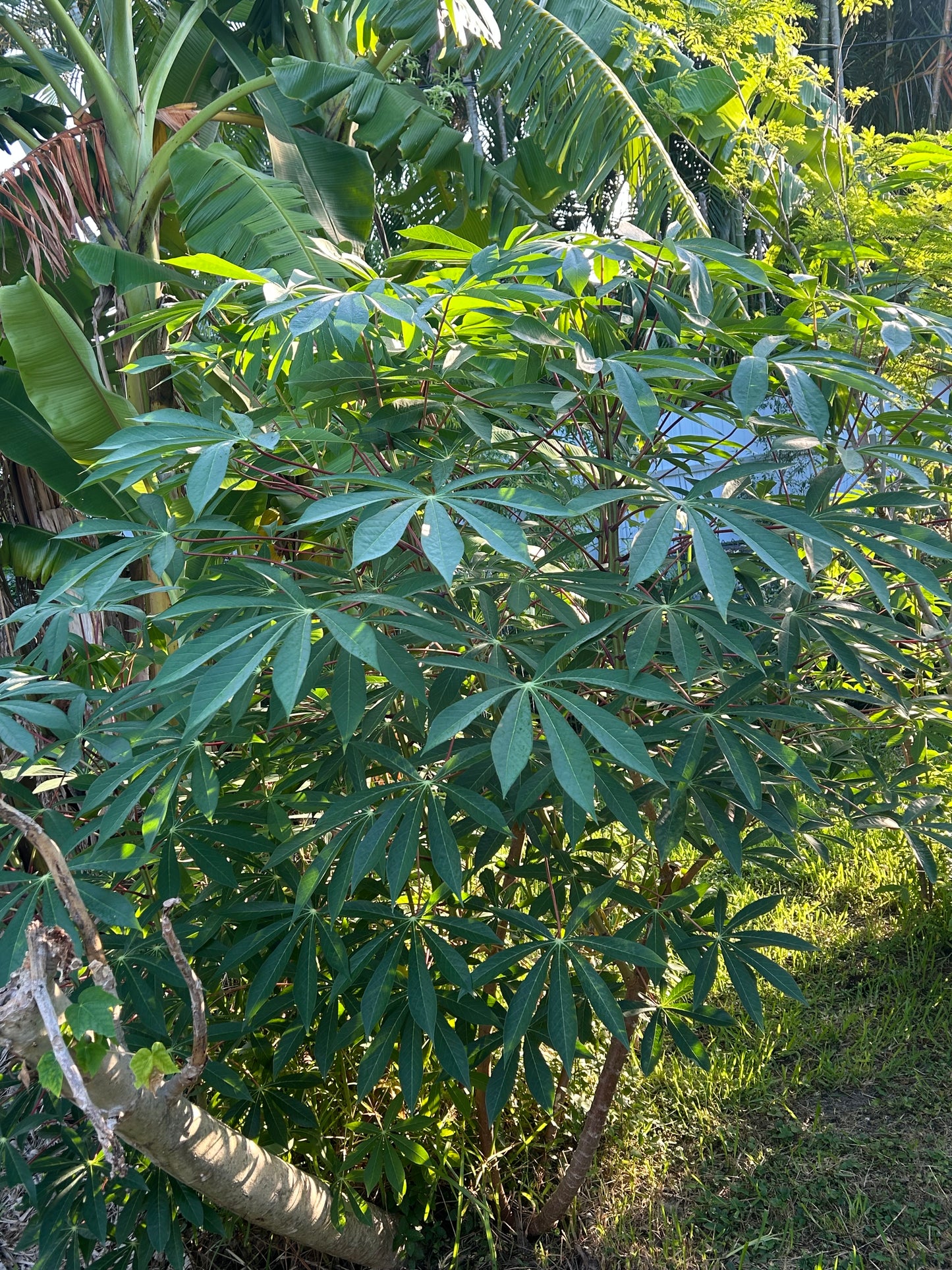
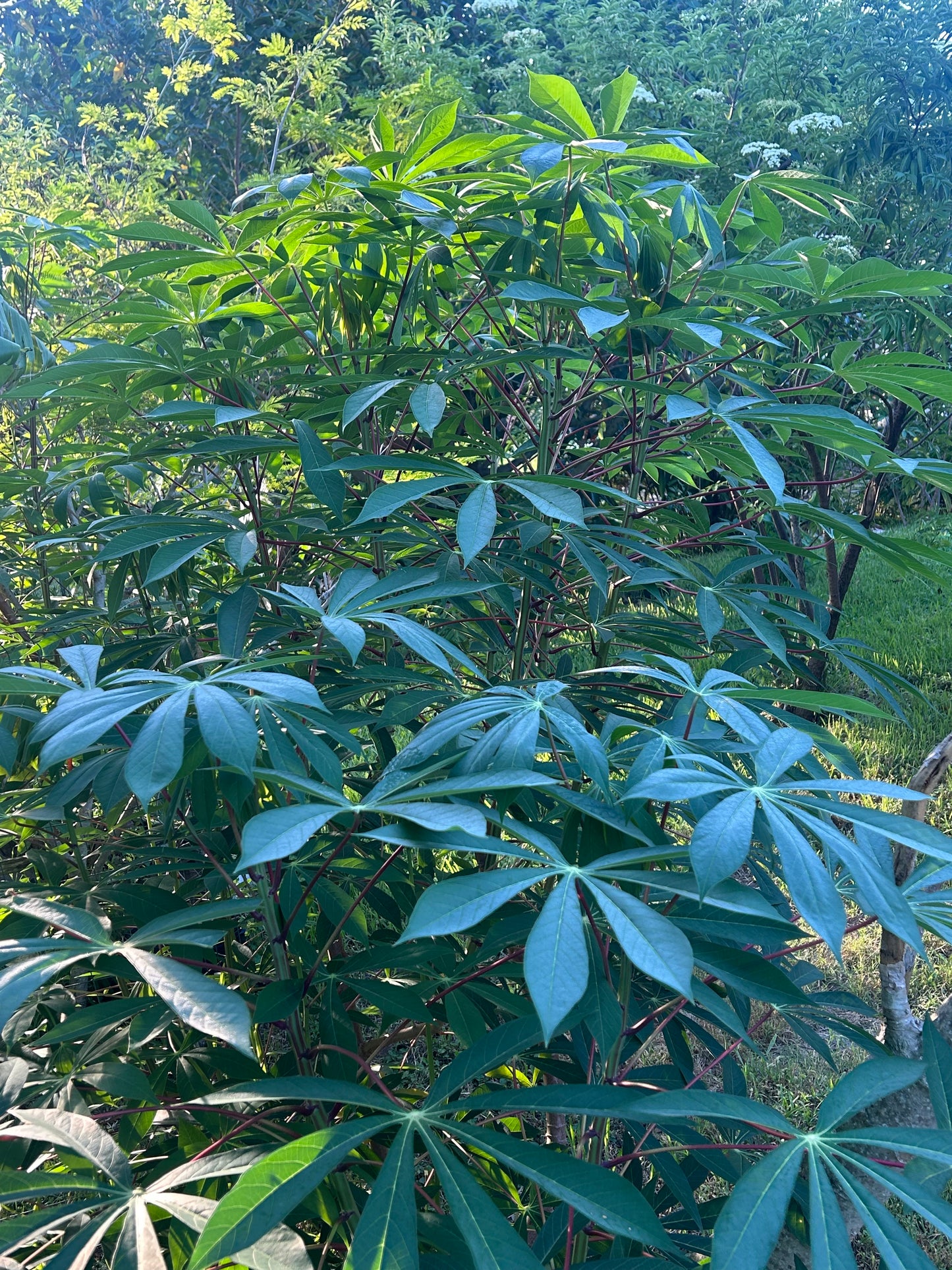
Fresh-cut yuca cuttings (Manihot esculenta), also known as cassava, organically grown right here in Florida and ready to plant. Yuca is one of the most rewarding food plants you can grow in a Florida garden — a handsome, fast-growing small to medium-sized tree that rewards patient growers with a generous harvest of delicious, starchy tuberous roots. It's a staple crop that feeds hundreds of millions of people worldwide, and now you can grow it in your own backyard.
Why Grow Yuca?
- Abundant harvest: Each plant produces multiple large, starchy roots — a single mature plant can yield 10–20+ lbs of roots at harvest time.
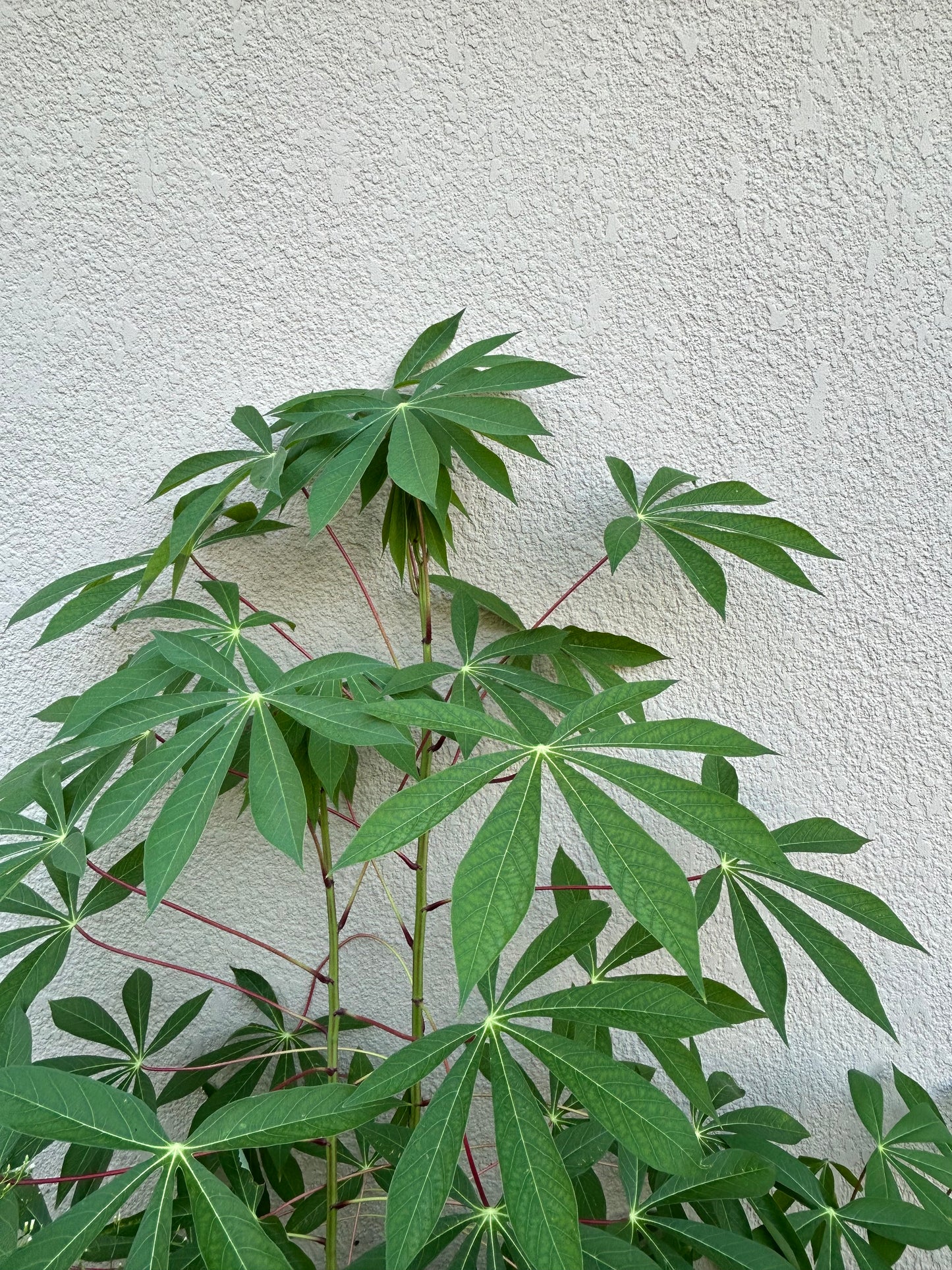
- Tropical beauty: Yuca adds lush, tropical appeal to the landscape with its distinctive, deeply lobed palmate leaves and upright, tree-like growth habit.
- Drought-tolerant once established: After the first few months, yuca is remarkably resilient and can handle Florida's dry spells with minimal irrigation.
- Versatile in the kitchen: The roots are a culinary powerhouse — boiled, fried, roasted, mashed, or ground into flour, yuca is the base of countless beloved dishes across Latin American, Caribbean, and African cuisines.
- Gluten-free staple: Yuca flour and starch (tapioca) are naturally gluten-free, making yuca a valuable crop for those with dietary restrictions.
- Low-maintenance: Once established, yuca requires very little care — it's one of the most forgiving food crops you can grow.
🍃 Don't Forget the Leaves — A Hidden Superfood
Here's something most people don't know: yuca leaves are also edible and highly nutritious — but only after proper preparation. Raw leaves contain naturally occurring cyanogenic compounds and must never be eaten raw.
Once properly prepared — either by thorough cooking (boiling, sautéing, or stewing) or traditional sun-drying and roasting — the leaves become safe, delicious, and remarkably nutritious. In fact, cassava leaves are one of the highest plant-based protein sources available, containing up to 7–10g of protein per 100g of cooked leaves, along with significant amounts of iron, calcium, and vitamins A, B, and C.
Cassava leaf dishes are beloved staples across West Africa, the Caribbean, and parts of Latin America — think Congolese pondu, Sierra Leonean plasas, or Indonesian daun singkong. Growing your own yuca means you have access to both the roots and the leaves — a truly whole-plant food source that most American gardeners overlook entirely.
⚠️ Important: Always cook or sun-roast yuca leaves thoroughly before consuming. Never eat them raw. When in doubt, boil for at least 15–20 minutes and discard the cooking water.
Culinary Uses
Yuca's mild, slightly nutty flavor and dense, starchy texture make it incredibly versatile:
- Boiled yuca: Peel, cut into chunks, and boil until tender. Serve with garlic mojo, olive oil, or as a side dish in place of potatoes.
- Yuca fries: Boil first, then fry or bake until golden and crispy — a crowd-pleasing alternative to french fries.
- Mashed yuca: Boil and mash with butter, garlic, and cream for a rich, satisfying side dish.
- Yuca chips: Thinly slice and fry or bake for a crunchy snack.
- Tapioca: The starch extracted from yuca roots is the base for tapioca pearls, puddings, and bubble tea.
- Yuca flour: Ground dried yuca makes a versatile gluten-free flour for breads, tortillas, and baked goods.
- Cassava leaf dishes: Cooked or sun-roasted leaves can be stewed with coconut milk, tomatoes, onions, and spices for a protein-rich, deeply flavorful dish.
- Traditional dishes: A key ingredient in Cuban yuca con mojo, Brazilian pão de queijo, Jamaican bammy, Congolese pondu, and many more beloved recipes.
⚠️ Important: Raw yuca roots and leaves contain naturally occurring compounds that must be neutralized by cooking. Always peel and cook thoroughly before eating — never consume either raw.
How to Plant Your Cutting
- Choose your spot: Select a sunny location with well-draining soil. Yuca does not like standing water around its roots.
- Prepare the soil: Loosen the soil 12–18 inches deep. Amend with compost if your soil is very sandy or compacted.
- Plant the cutting: Lay the cutting horizontally 2–4 inches deep, or plant it at a 45-degree angle with at least 2–3 nodes buried. The nodes (bumpy joints on the stem) are where roots and shoots will emerge.
- Water in: Water well after planting, then reduce watering — yuca prefers drier conditions while establishing and is prone to rot in overly wet soil.
- Watch for sprouts: In Florida's warm climate, shoots typically emerge within 2–4 weeks.
- Minimal care needed: Once sprouted, yuca largely takes care of itself. Water during extended dry spells, especially in the first few months.
💡 Pro Tip: The El Salvador Harvest Trick — Self-Propagating Rows
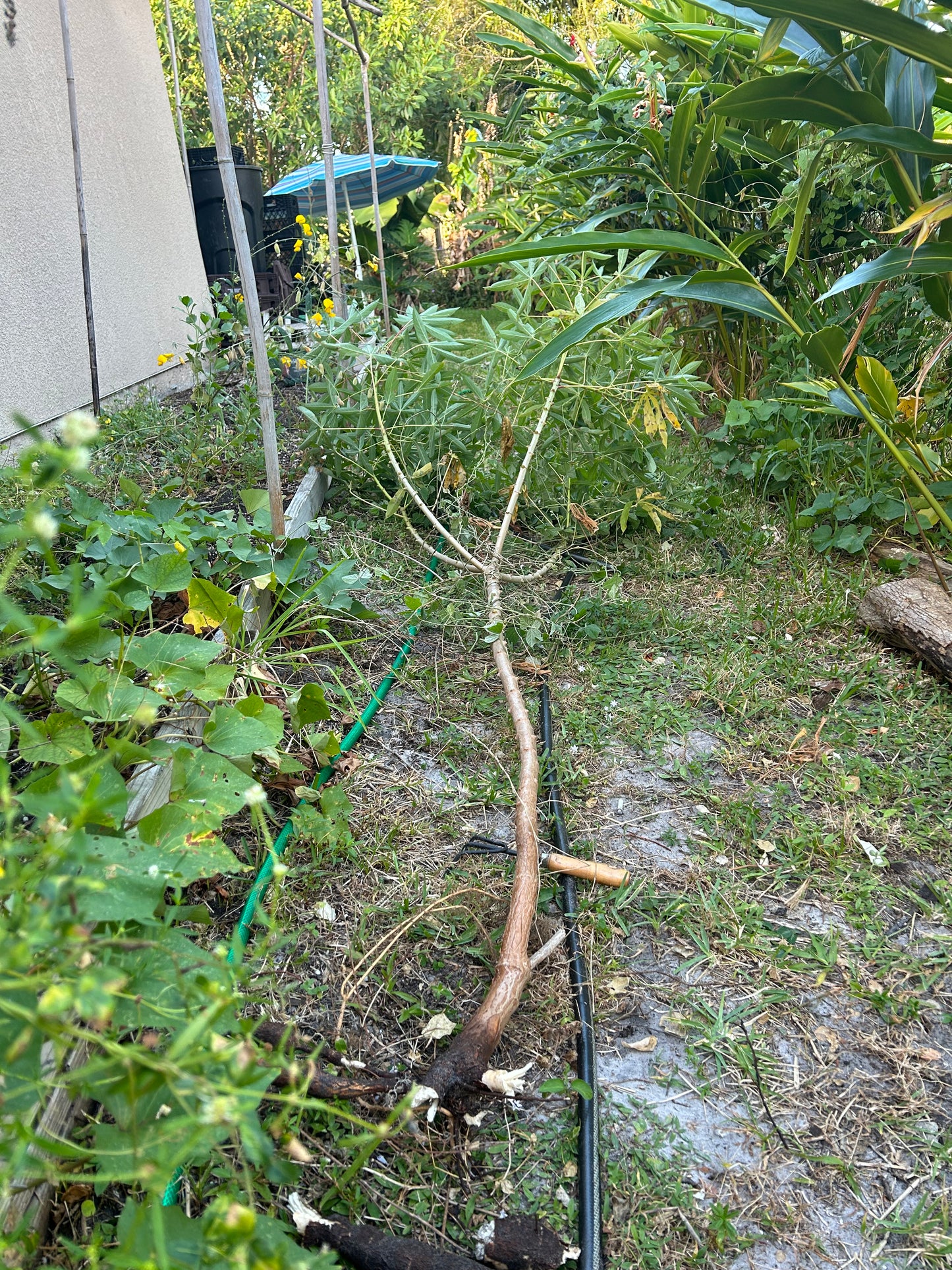
Here's a time-tested technique passed down through generations of Central American farmers: after harvesting your yuca roots, don't discard the plant — lay the entire harvested stalk flat on the ground right where it grew, and cover it with a layer of mulch.
The nodes along the stem will sprout new shoots, giving you a perfectly uniform row of yuca plants the following season — no replanting, no spacing guesswork, and highly predictable tuber placement. The result is a more organized, easier, and more predictable harvest year after year.
It's one of those simple, elegant techniques that experienced growers swear by — and it turns your yuca patch into a nearly self-sustaining food source with minimal effort.
Growing Tips for Florida Gardeners
- Sun: Full sun is essential — at least 6–8 hours per day for best root production.
- Water: Moderate during establishment, then minimal. Yuca is drought-tolerant and prefers to dry out between waterings. Avoid overwatering.
- Soil: Well-draining sandy or loamy soil is ideal — Florida's sandy soils are actually well-suited to yuca. Avoid heavy clay or areas prone to flooding.
- Fertilizer: Light applications of balanced organic fertilizer in spring and summer support healthy growth. Avoid excess nitrogen, which promotes leafy growth at the expense of roots.
- Harvest time: The best time to harvest in Florida is fall or winter (8–12 months after planting), when roots reach peak size and quality. Roots left in the ground too long can become woody.
- Pests: Generally pest-resistant. Spider mites can occasionally be an issue — a strong spray of water or neem oil addresses them easily.
Organically grown in Florida 🌿 | Ships as fresh-cut cuttings ready to plant
Share